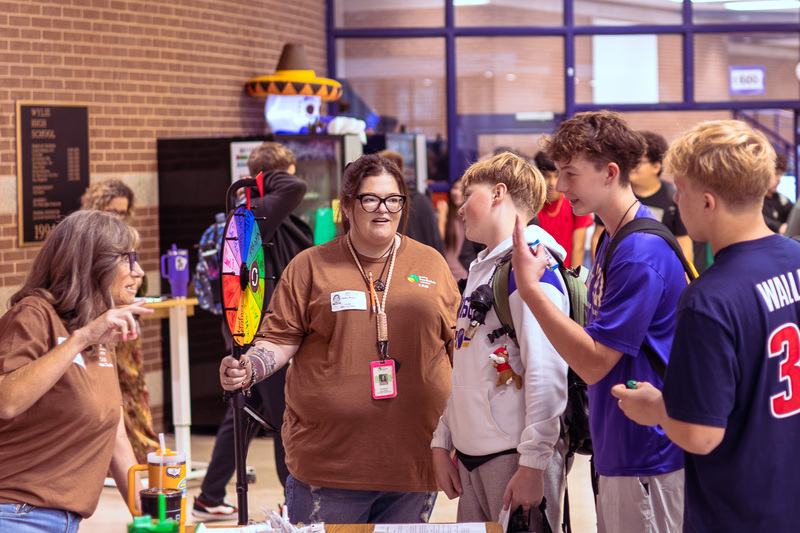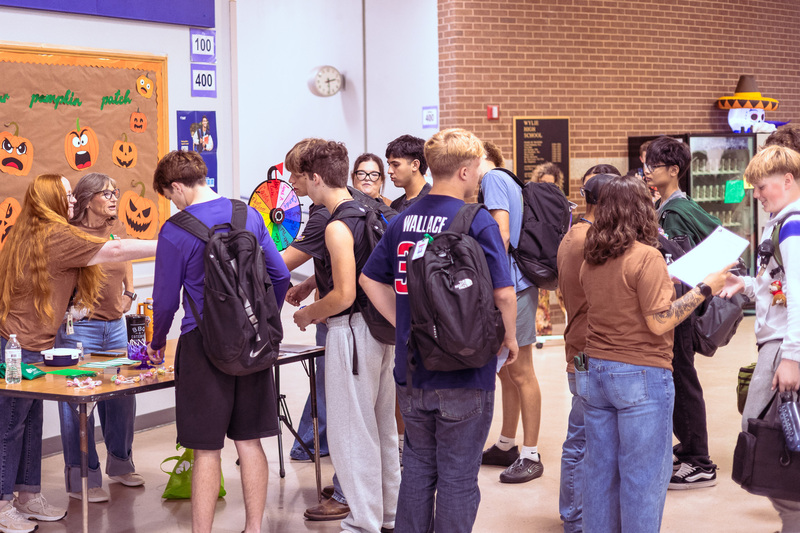
Wylie graduate Mandy Schuman returns with Betty Hardwick’s community outreach team to help students know where to turn.
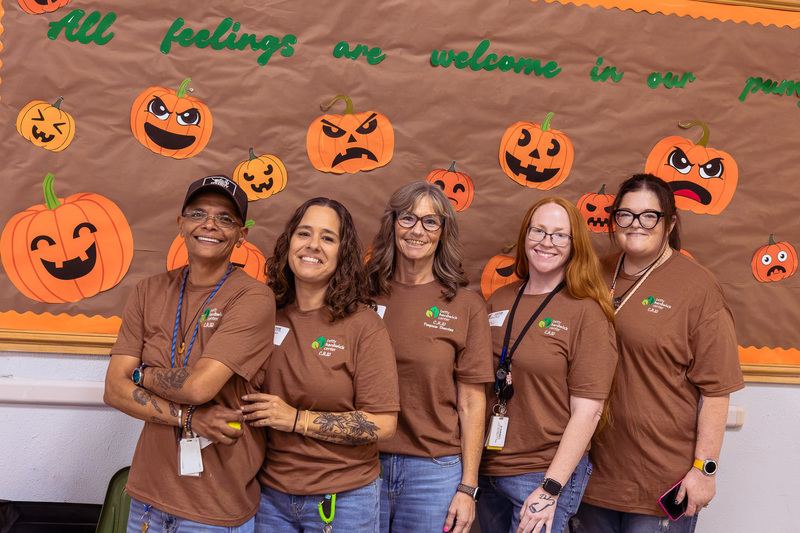
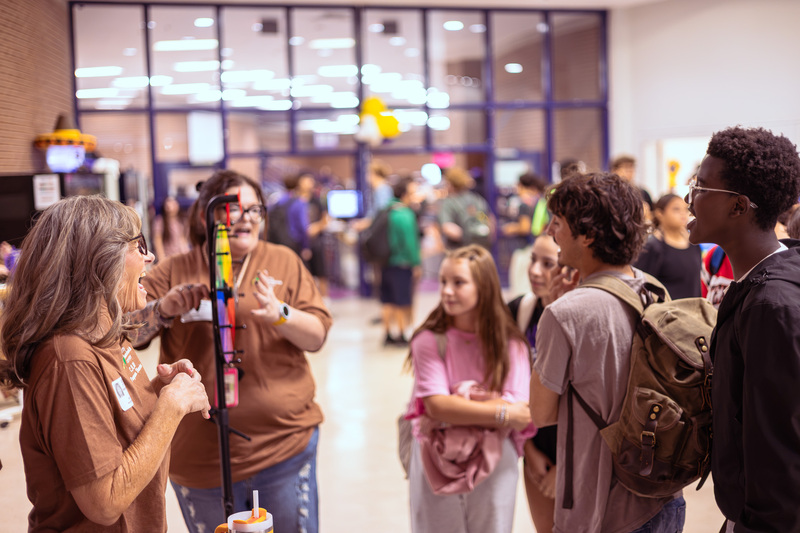 Mandy Schuman (left)
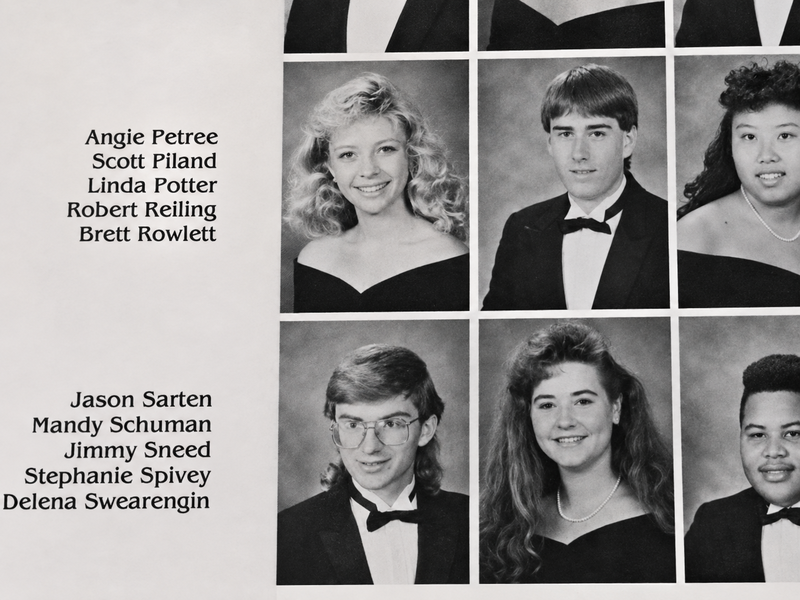
When Mandy Schuman was asked what year she graduated from Wylie High School, she didn’t hesitate for long.
“1990.”
There was an offer to leave the year out of the story. Schuman wasn’t having it.
“I have no shame in that. 1990.”
The exchange brought a little laughter to a conversation about something serious: making sure today’s Wylie students know help is available when they or someone they love needs it.
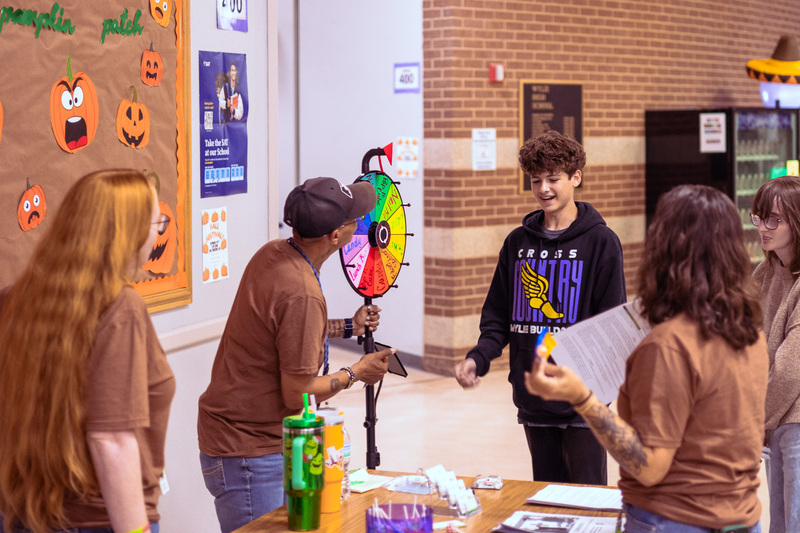
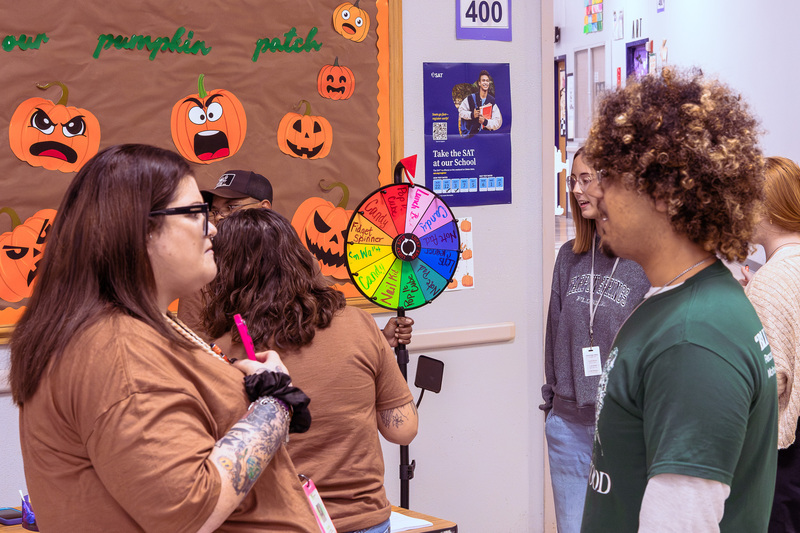
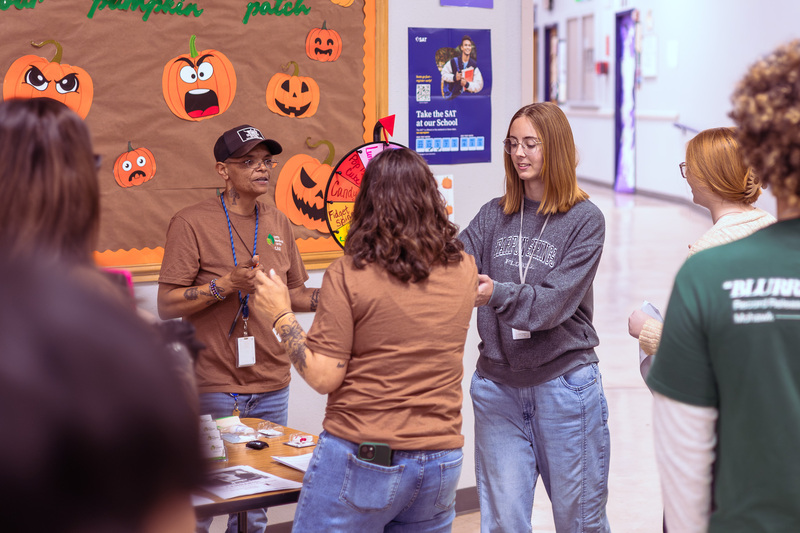
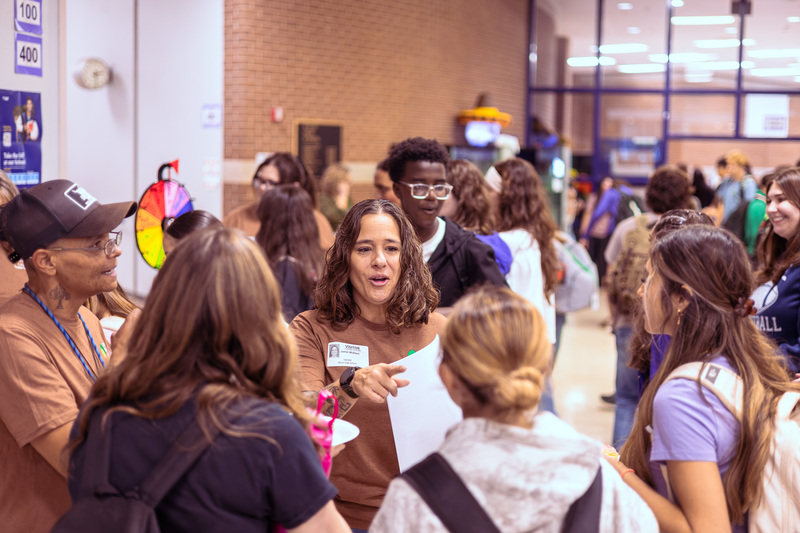
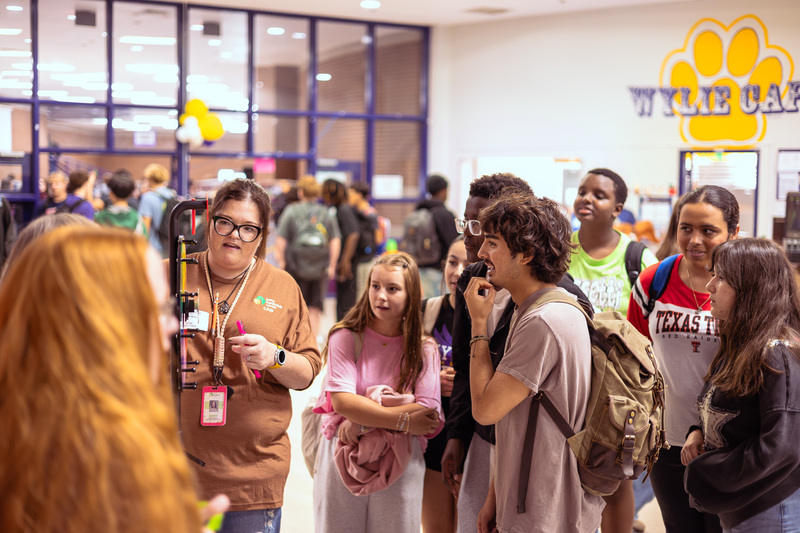
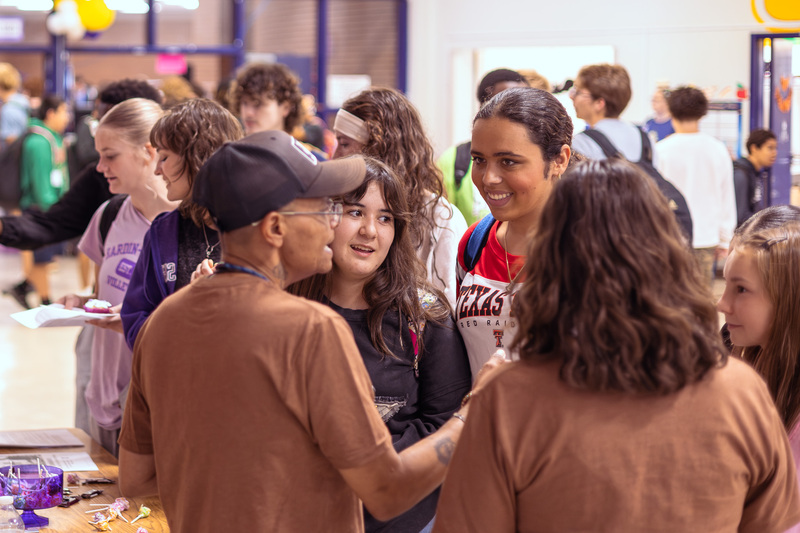
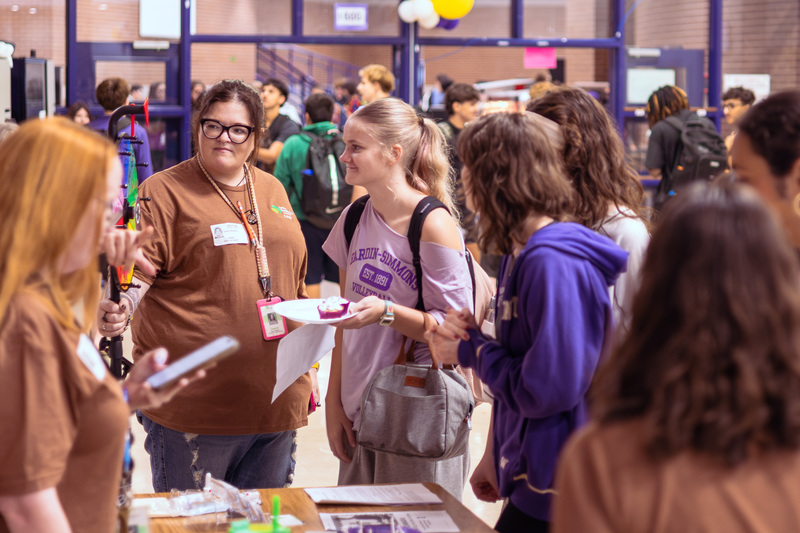
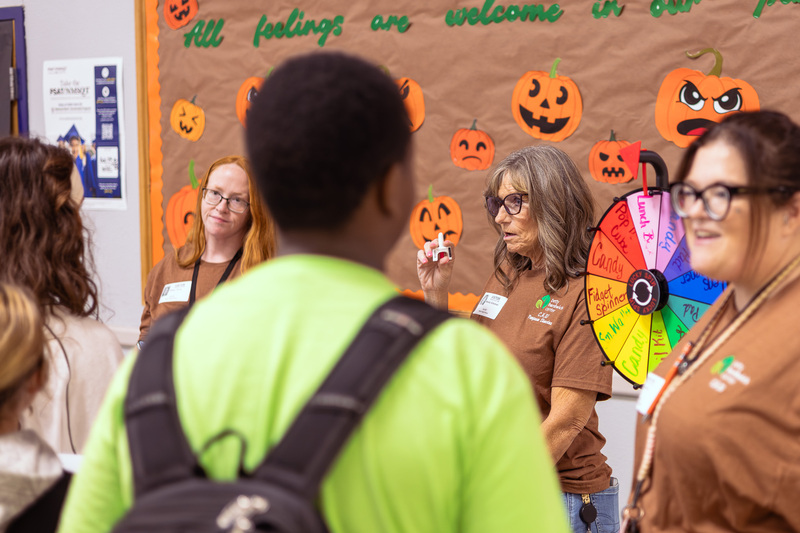
Schuman, now the community health worker director at Betty Hardwick, returned to Wylie High School with the organization’s community outreach team during Red Ribbon Week. The visit gave students a chance to ask questions, learn about substance use resources and get to know people whose work begins with making a connection.
For Schuman, the purpose was straightforward. She wanted young people to understand that resources for substance use are available, “no matter what age they are.”
But sharing information is only part of the work. Sometimes, the first step is becoming a familiar face.
More Than a One-Week Conversation
Schuman said she has been visiting the school for about three years. One of her favorite parts is watching students grow and having them return to say hello.
“I like their excitement to want to learn,” she said.
Students ask what Betty Hardwick does. Some mention a family member who is already connected to the organization. Others learn about its programs for the first time, along with information about different substances and their dangers.
Those conversations help put people behind the name.
Schuman described Betty Hardwick’s work as extending across several areas, including child and adolescent services, adult mental health, substance use services and the community health worker program. A student may arrive with a question about one subject and leave with a better understanding of where support can begin.
Red Ribbon Week helps open that door. Schuman hopes the connection continues afterward.
“This is kind of the start,” she said. “And then we’ll come probably once a month at lunch and just organically hang out.”
There is something fitting about that approach. A conversation at lunch doesn’t have to begin with a difficult question. It can begin with hello, then become something more when a student is ready.
People Who Understand
Schuman brings more than a Wylie diploma to those conversations.
“Everyone in our program, the community health worker program, has lived experience,” she said. “So we talk from a place of lived experience.”
That perspective shapes the importance she places on listening and connection. Asked what difference a caring community can make in a young person’s life, her answer was only three words.
“Life or death.”
It was a brief answer with considerable weight. It also explained why she believes the conversation should continue beyond a designated week on the school calendar.
Families, schools and community partners can keep inviting questions, making space for honest conversations and helping students learn about available support.
“I think just talking about it in general is important,” Schuman said. “What doesn’t come to light doesn’t get help.”
Years after graduating, Schuman is back at Wylie with a different role and another reason to stay connected. She is getting to know a new generation of students, one question, one lunch visit and one returning hello at a time.
The hope is that when a student needs someone to talk to, there will already be a familiar face.