At first glance, the shop at Wylie High School looks familiar.
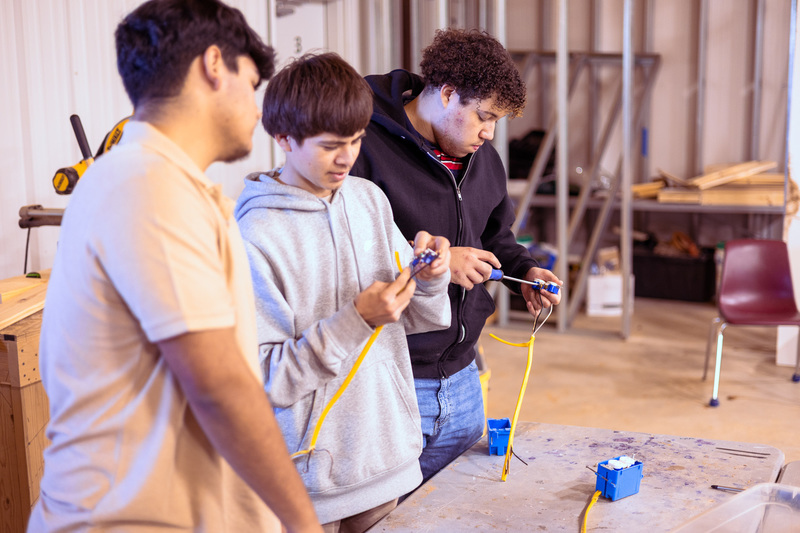
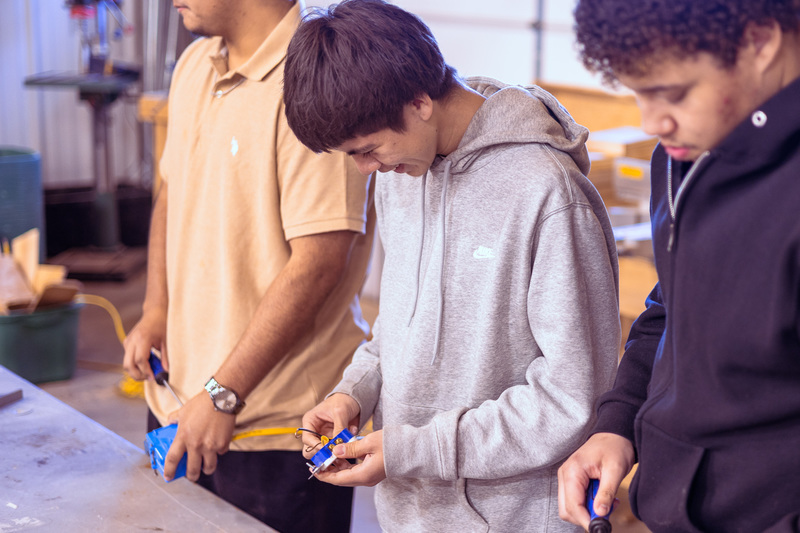
There are workbenches worn smooth from years of use. Coils of wire rest along the walls. Drills and hand tools sit within arm’s reach, ready for the next task. Students move from station to station, talking through problems, checking measurements, adjusting plans. For many parents, it might stir a little nostalgia. This looks like shop class.
But stay for a while, and it becomes clear that what’s happening inside this space is something very different.
Behind the familiar tools is a program quietly blending hands-on craftsmanship with cutting-edge technology. Under the guidance of Wylie alumnus and Career and Technical Education teacher Clay Vaughn, students are learning electrical concepts the same way professionals do. They are wiring real structures. They are solving real problems. And in some cases, they are stepping into virtual job sites that look more like the future than the past.
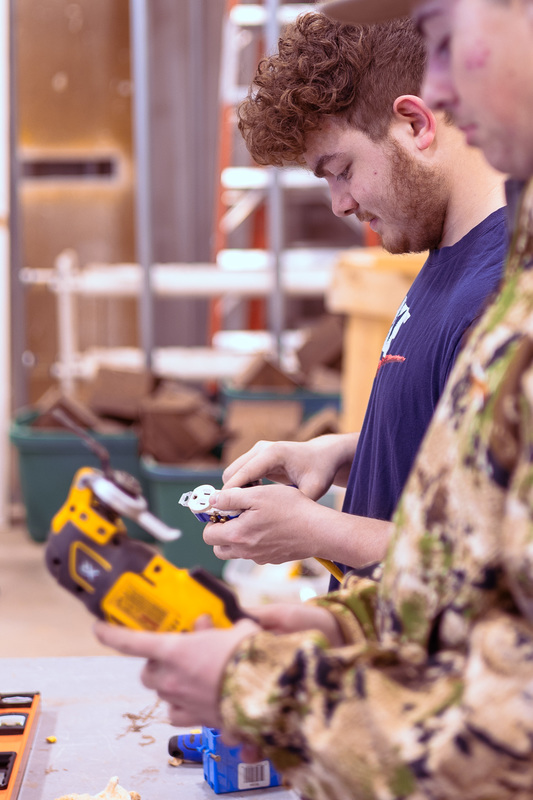
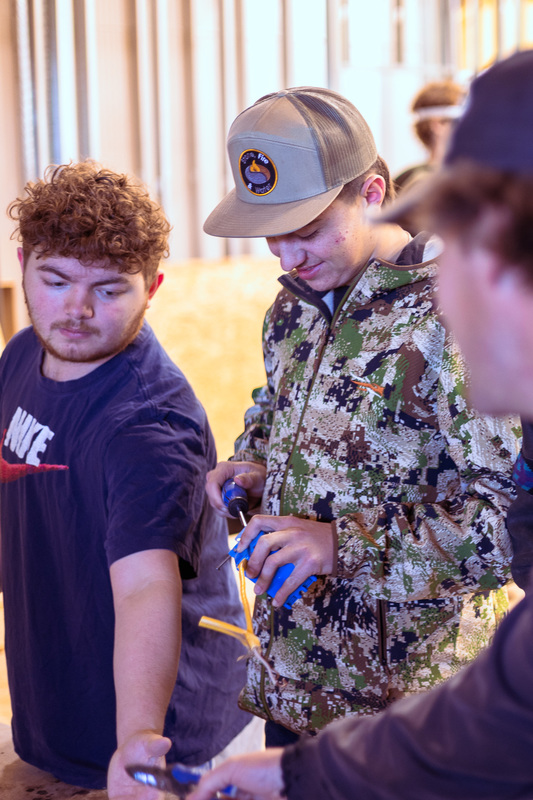
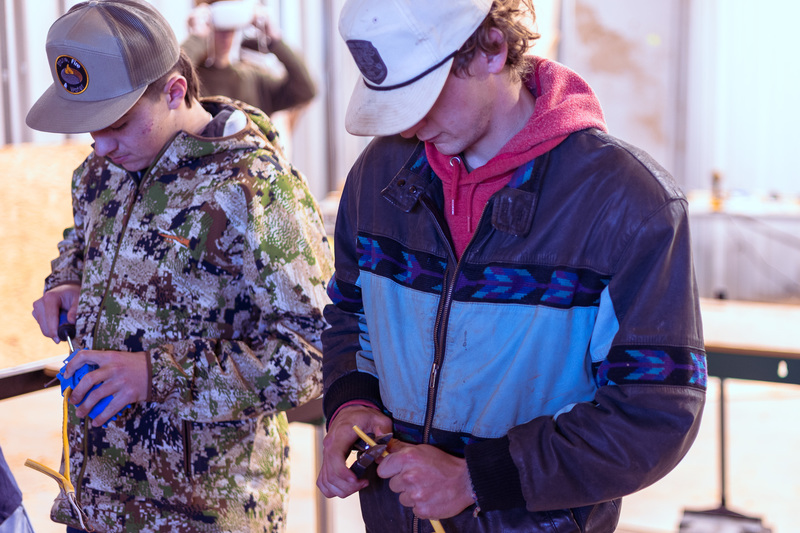
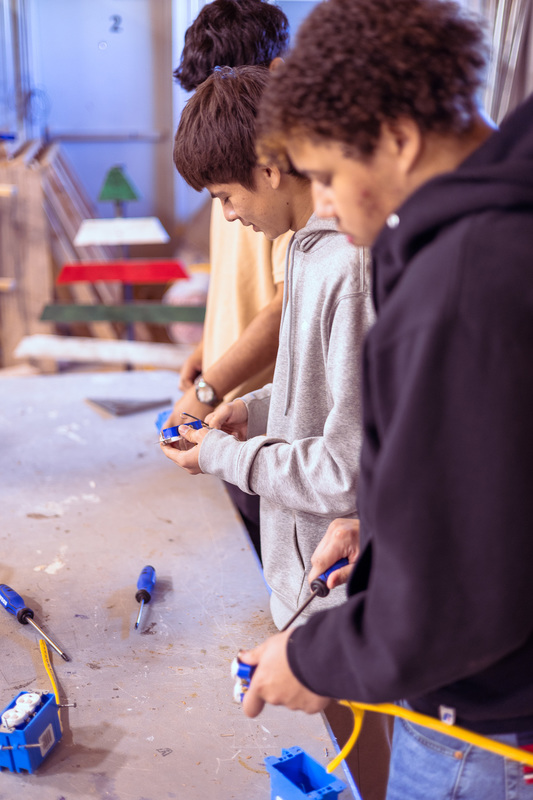
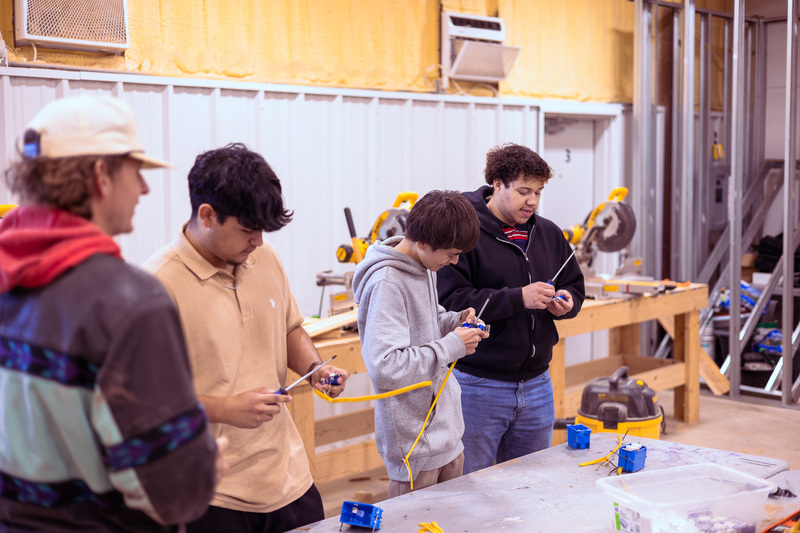
“This class covers the basics of electricity,” Vaughn said. “Everything from calculating amperage and voltage to bending conduit, wiring plugs, wiring sockets. It’s hands-on from start to finish.”
A Different Kind of Classroom
Vaughn understands firsthand that not every student thrives sitting behind a desk.
“I’ve always liked the hands-on side of learning,” he said. “For me personally, it was hard to sit still inside four walls all day. This gives students the chance to get up, work with their hands, and actually build something.”
That philosophy shapes everything about the program. Students are not just memorizing terms or watching demonstrations. They are applying math in real time. They are learning safety through practice. They are figuring out how systems connect and why details matter.
The work is physical, but it is also deeply technical. Electricity leaves little room for guessing, and students learn early that precision and preparation are not optional.
“There’s a lot of caution involved,” said Caden Cortez, a junior. “You can’t just jump into it. You have to understand what you’re doing before you touch anything.”
That balance between caution and confidence is intentional. Vaughn emphasizes planning, safety, and understanding before action. It’s one of the reasons students often describe the class as busy.
“There’s a lot going on,” Cortez said. “But Mr. Vaughn keeps us on track. If something needs to get done, we get it done.”
Where the Shop Meets the Screen
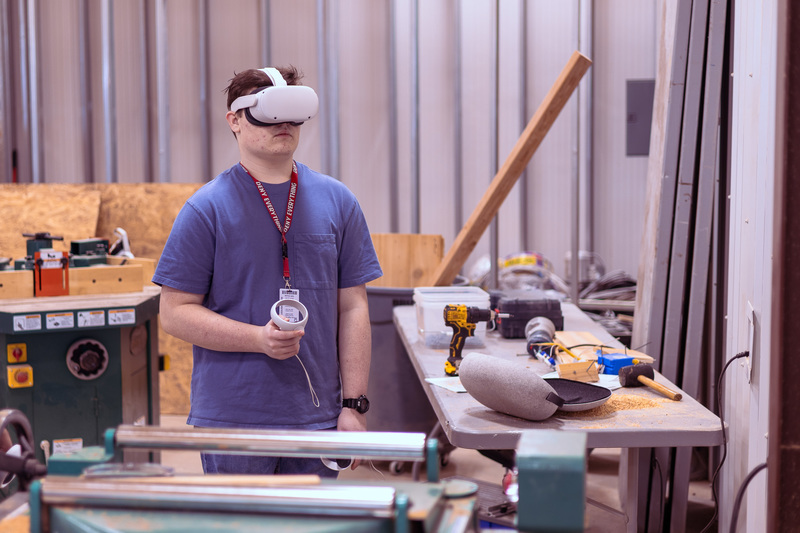
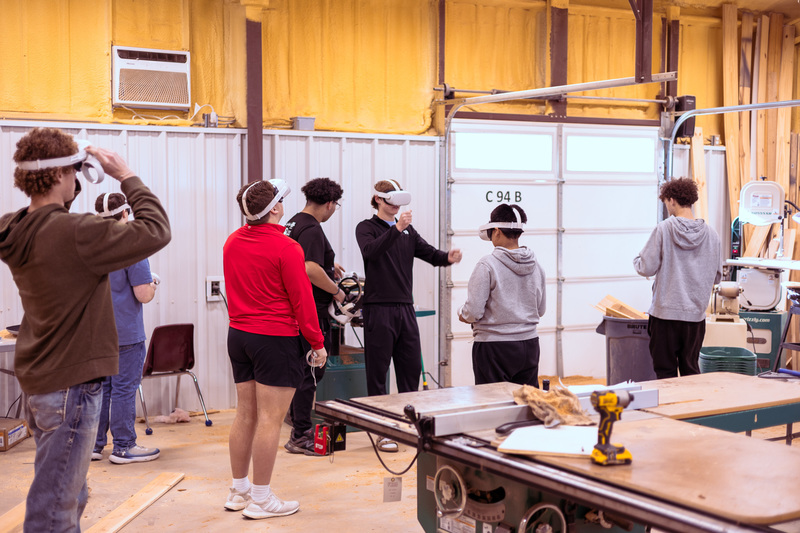
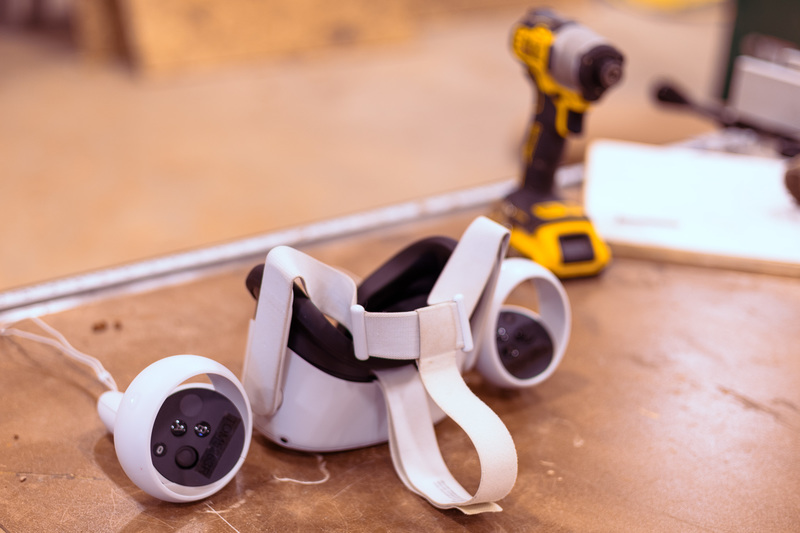
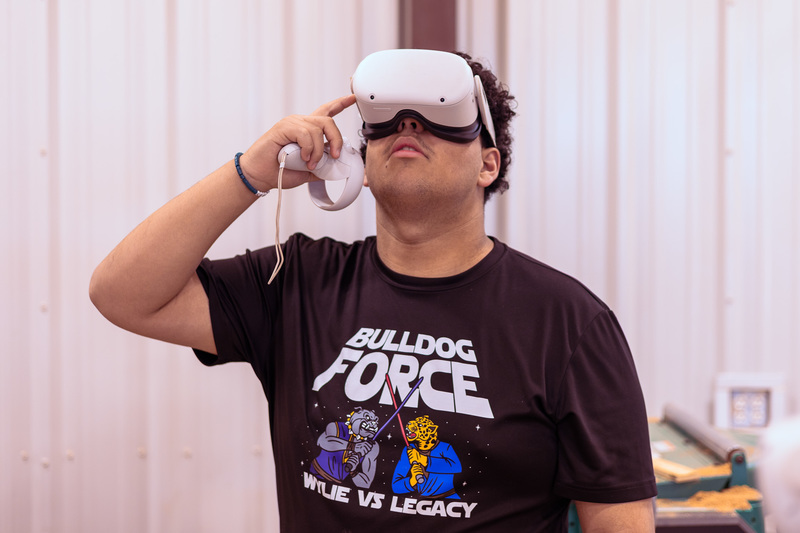
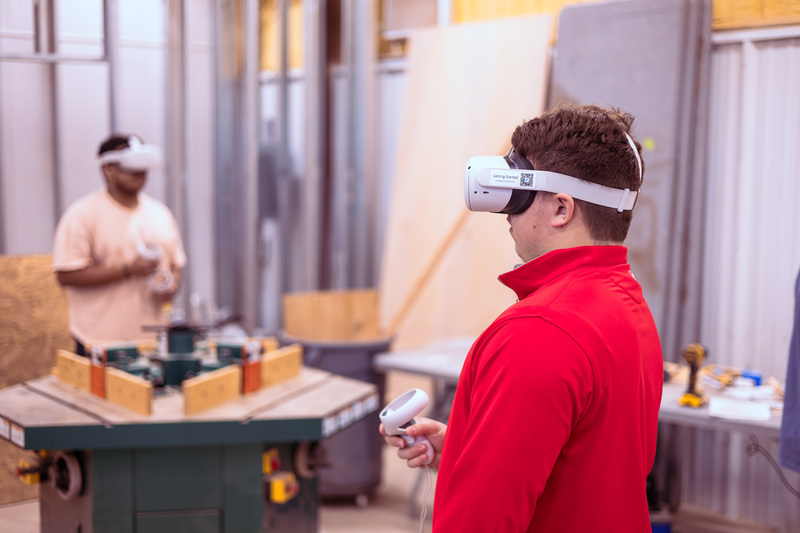
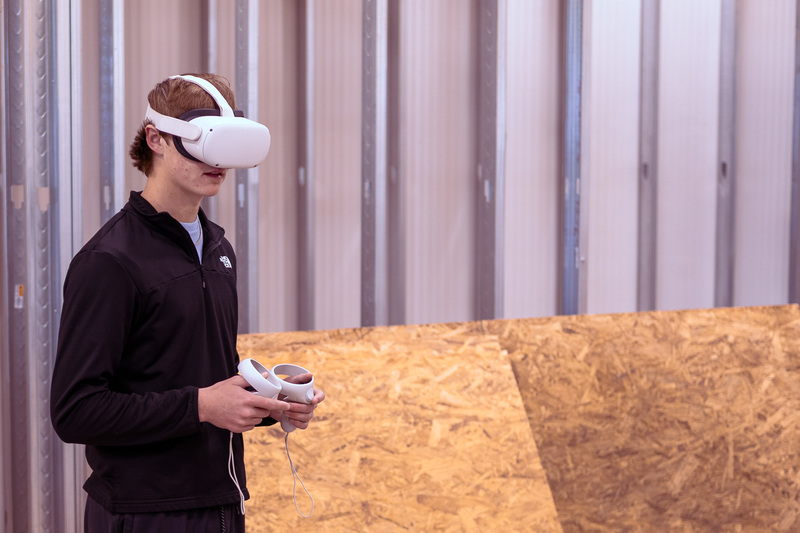
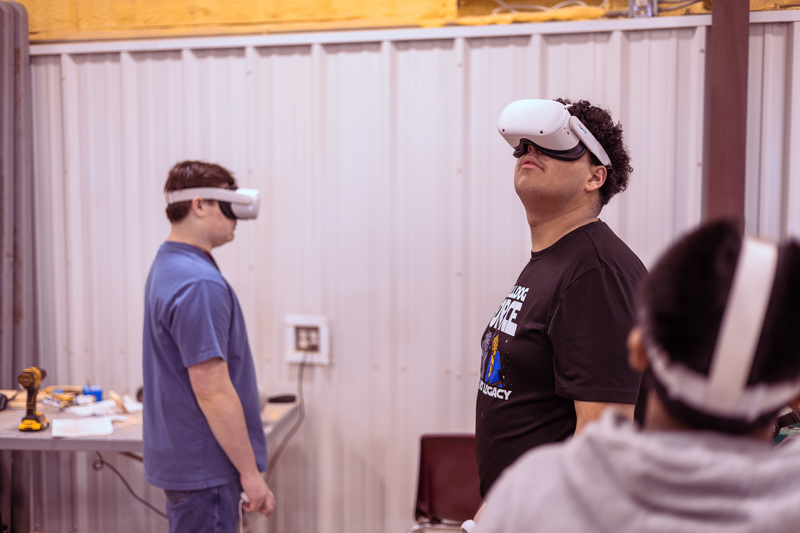
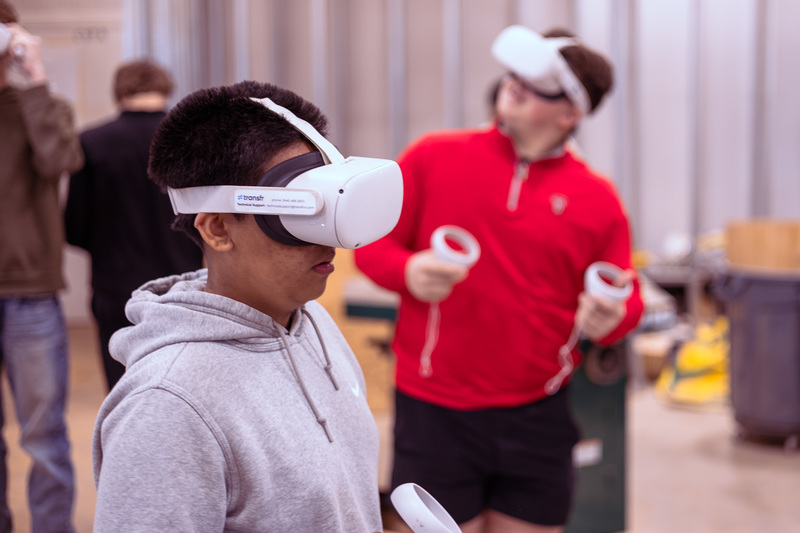
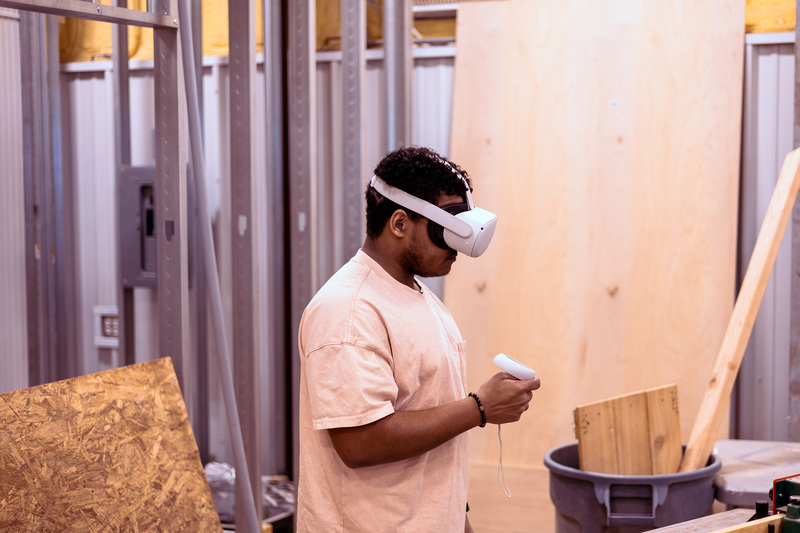
One of the most unexpected elements of the program isn’t hanging on a wall or stored in a toolbox. It’s worn on students’ heads.
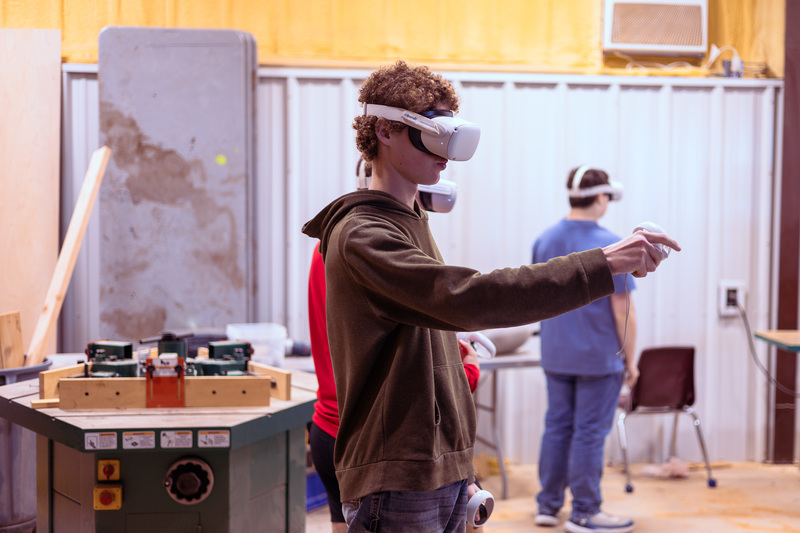
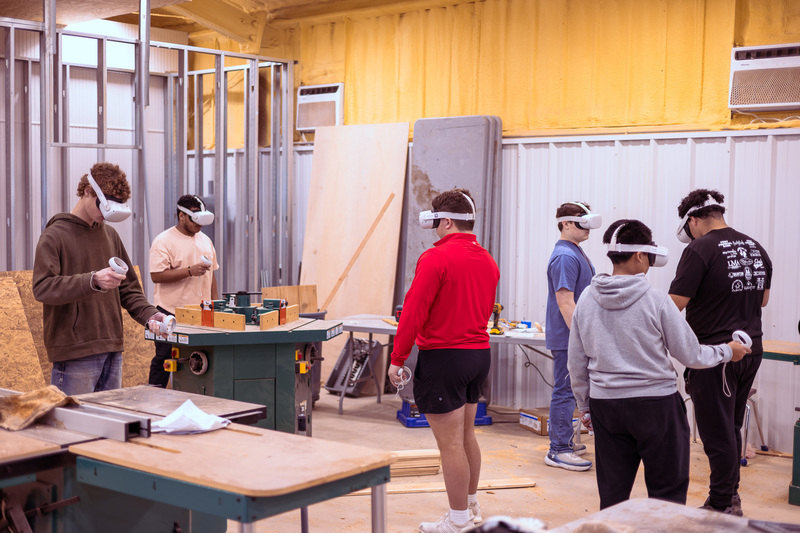
Through a professional virtual reality training platform called TRANSFR, students step inside immersive simulations designed to mirror real electrical environments. Warehouses. Electrical rooms. Commercial workspaces filled with panels, boxes, and systems they would not typically encounter until much later in their training.
Using VR headsets, students can walk through job sites, identify hazards, practice procedures, and explore complex setups safely and repeatedly.
“It lets them work with tools and systems they couldn’t safely use yet,” Vaughn explained. “They can see it, interact with it, understand it before they ever step onto a job site.”
TRANSFR is not used as a replacement for hands-on learning. Instead, it acts as a bridge. Students gain familiarity with professional environments before they physically wire anything. By the time they move into hands-on projects, the layouts, terminology, and expectations already feel familiar.
For Jeramiah Pruett, a junior, the VR component stood out immediately.
“It’s time-consuming, but it’s really cool,” Pruett said. “You get to use tools and equipment you wouldn’t normally be able to use at our age. It helps you understand how everything works without the risk.”
Students also learn to recognize hazards before encountering them in real life. The simulations emphasize safety, situational awareness, and problem-solving, reinforcing lessons that carry over directly to physical work in the shop.
“It teaches you how to be safe,” Pruett said. “That’s a big part of it.”
Vaughn pushes students to complete the digital training early so the remainder of the year can focus heavily on real-world applications. Once the foundation is set, the shop becomes a place where theory meets practice.
Real Projects With Real Purpose
That blend of digital learning and hands-on work is visible across campus.
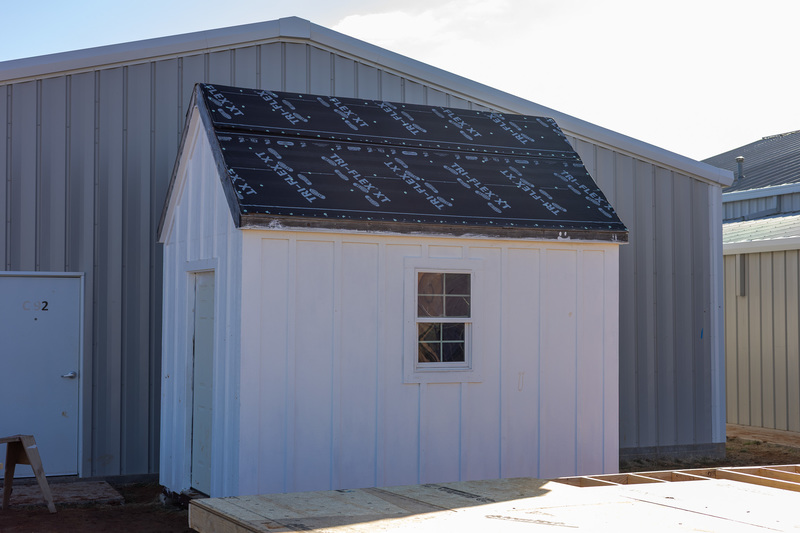
One of the most notable examples is a newly constructed baseball and softball ticket booth. What was once a storage space is now being transformed into a functional structure complete with lighting, outlets, and switches, all wired by students.
“They ran the wiring. They installed the switches. They wired the lights,” Vaughn said. “They take ownership of what they build.”
Inside the booth, you can see evidence of that ownership. Clean runs of conduit. Carefully placed outlets. Lighting positioned with purpose. Students understand that this isn’t a classroom exercise. It’s something the community will use.
Students have also worked on seasonal projects, including Christmas lighting installations, learning how systems are structured and powered safely. Smaller builds are used to teach framing, gables, and layout, allowing students to understand construction principles on a manageable scale before applying them to larger projects.
“It looks easy until you start doing it,” Cortez said. “Then you realize how much planning goes into it.”
Learning That Lasts Beyond Graduation
(Caden Cortez (far left), Mark Esquibel (middle), Jeramiah Pruett (far right)
The goal of Wylie ISD’s electrical program isn’t just exposure. It’s preparation.
Students leave with more than an understanding of how electricity works. They gain confidence in problem-solving. They learn how to communicate on a job site. They develop habits that translate well beyond construction.
“They walk out more knowledgeable than the average person,” Vaughn said. “If they go to tech school, lineman training, or an apprenticeship, they already understand the math, the safety, and the systems.”
For senior Mark Esquibel, the path ahead is already taking shape.
“I’m going to be a line worker,” Esquibel said. “I’m planning to go to TSTC and study that.”
For others, the program has helped clarify options they hadn’t fully considered before.
“I didn’t really know what I wanted to do,” Pruett said. “But seeing these opportunities helped me realize what I enjoy.”
Pruett shared that learning both construction and electrical concepts has helped him see how the trades overlap, and how knowing multiple skills can open more doors. He’s now considering pursuing an electrical engineering degree after high school, something he hadn’t planned on before joining the program.
Cortez also sees a future connected to the skills he’s learning now. Having grown up around job sites and commercial electrical work, the class has helped him better understand the professional side of the field and what it takes to succeed in it.
Students talk about learning the math behind electricity, understanding commercial systems, and gaining exposure to careers they may not have considered otherwise. Some are planning for trade schools. Others are looking at engineering pathways. All of them are leaving with practical knowledge and clearer direction.
“It’s good to learn this at a young age,” Pruett said. “It gives you options.”
Why It Matters Now
Vaughn believes programs like this are more important than ever.
“There’s a shortage of electricians,” he said. “And not every student learns best sitting in a traditional classroom all day. Some need to build, wire, test, and see it work.”
At Wylie ISD, that belief is reflected in the investment made in both people and tools. From professional-grade curriculum to advanced technology like TRANSFR, the district is preparing students for real careers, not just tests.
The shop may look familiar at first glance. But behind the scenes, students are gaining confidence, certifications, and clarity about their future.
One wire at a time. One switch at a time. One project at a time.
And that is exactly why it’s great to be a Wylie Bulldog.
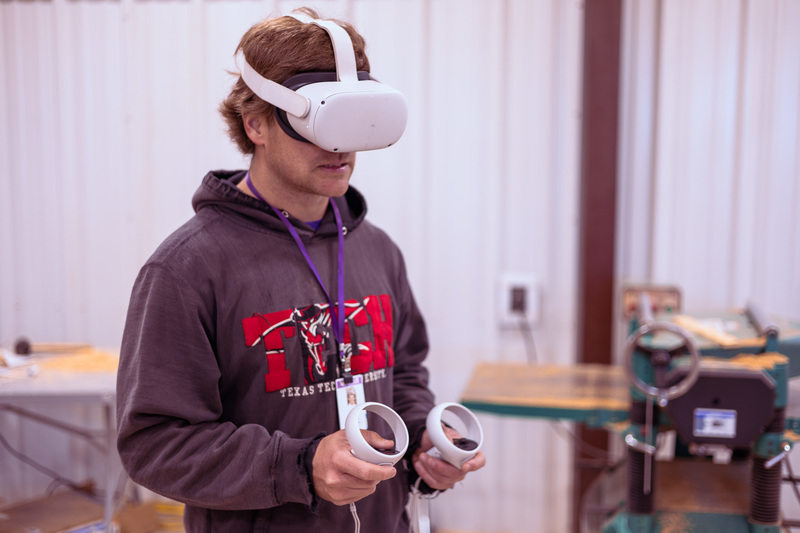 (Mr. Vaughn Demonstration of Software)