Inside Wylie ISD’s Construction CTE Program, Where a Tiny Home Is Teaching Big Lessons
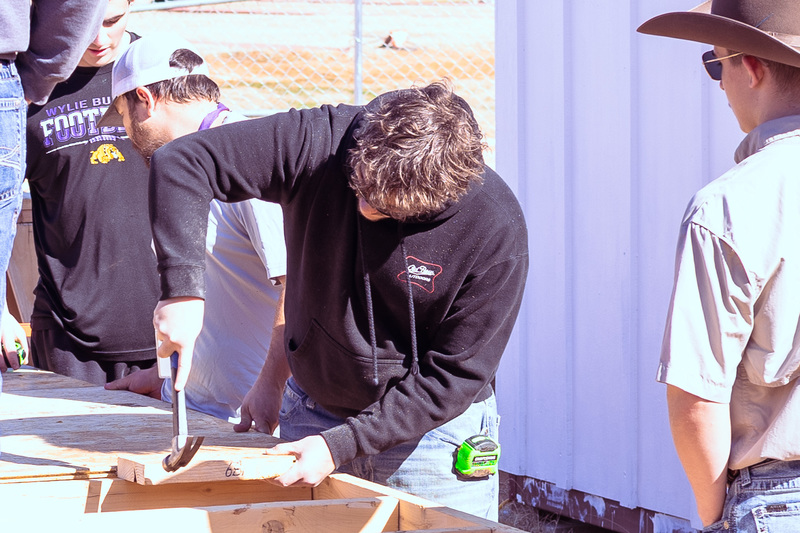
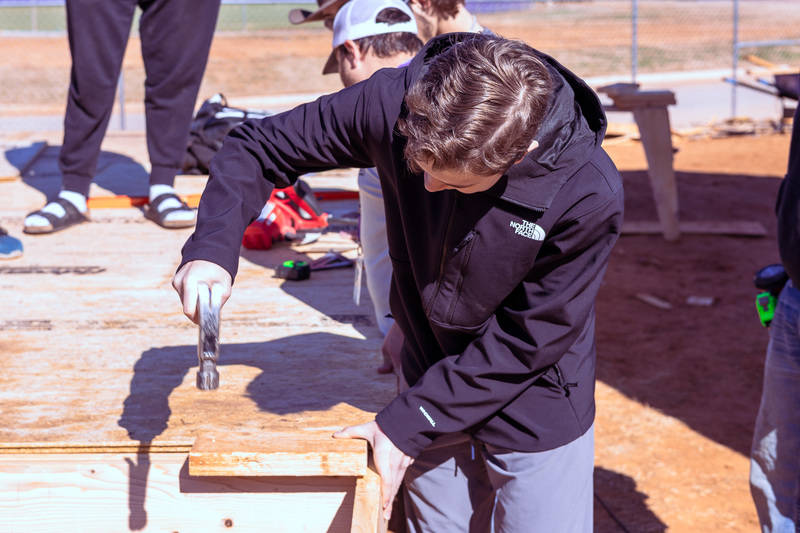
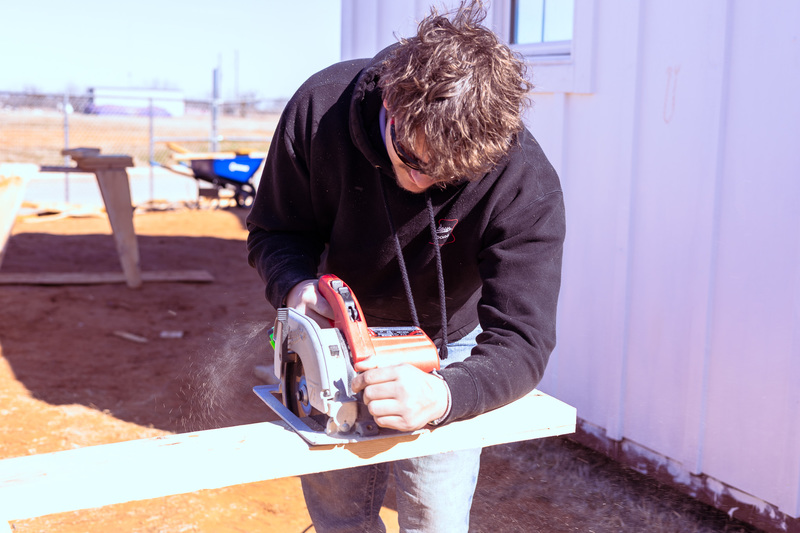
On a typical school day at Wylie High School, there’s a sound that carries farther than the bell. It’s not lockers slamming or sneakers squeaking on the gym floor. It’s the steady rhythm of hammers, the buzz of drills, and the low hum of students solving problems in real time.
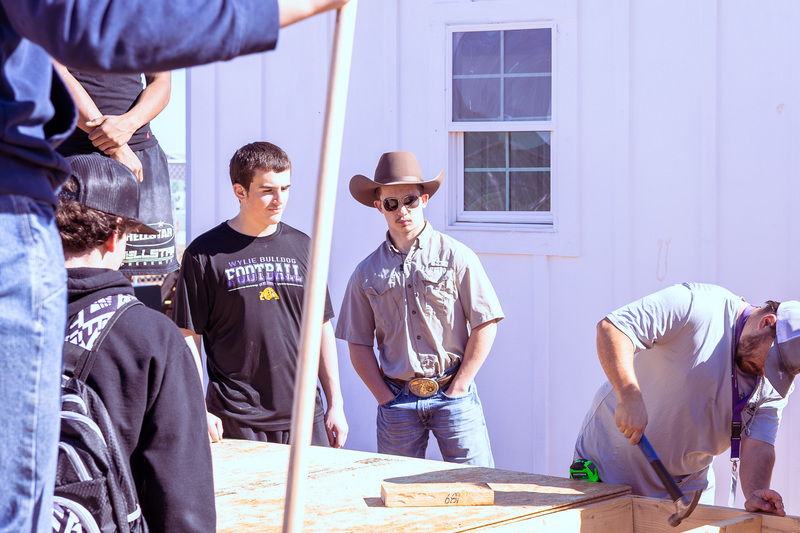
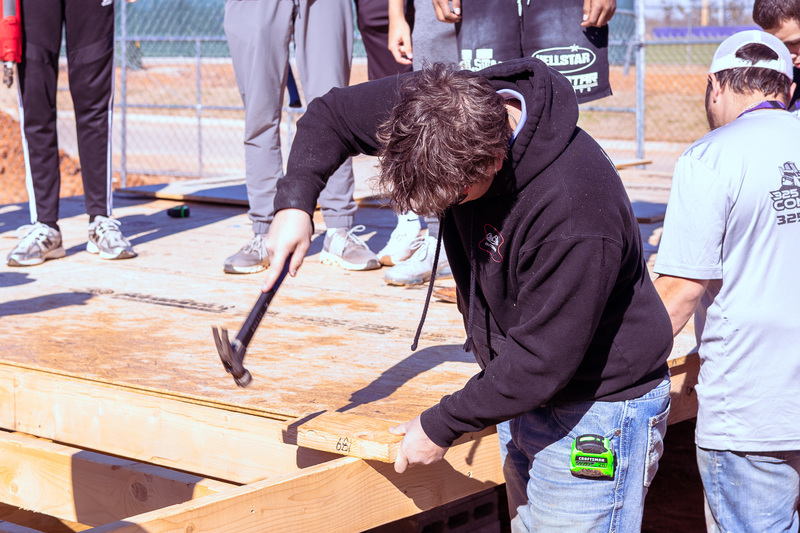
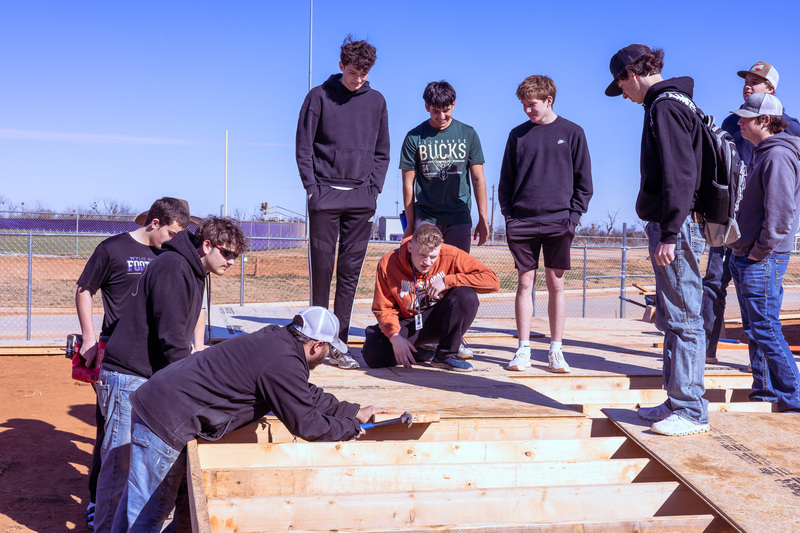
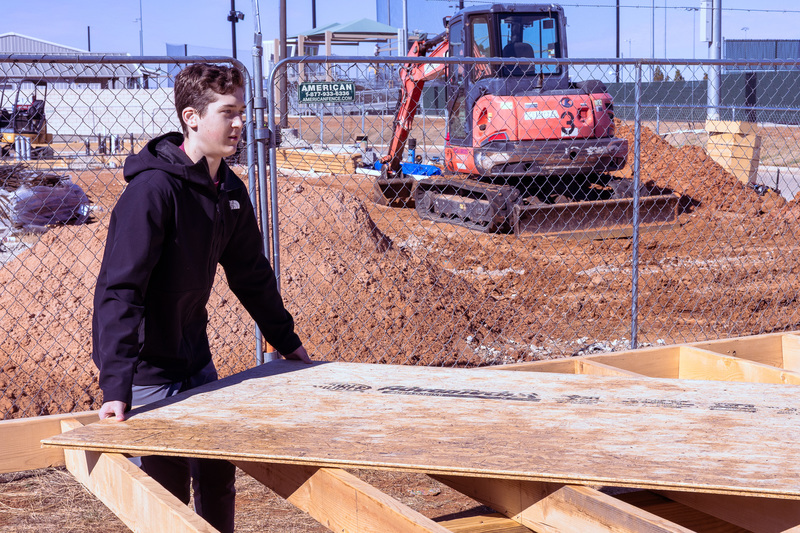
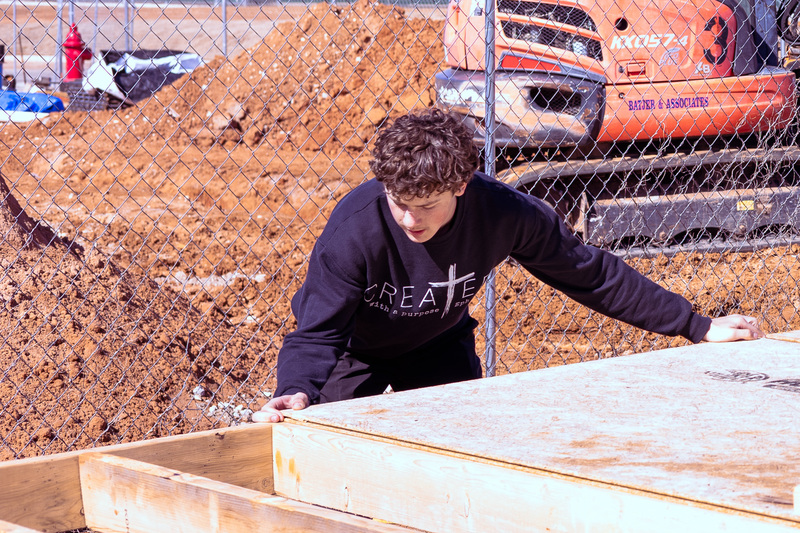
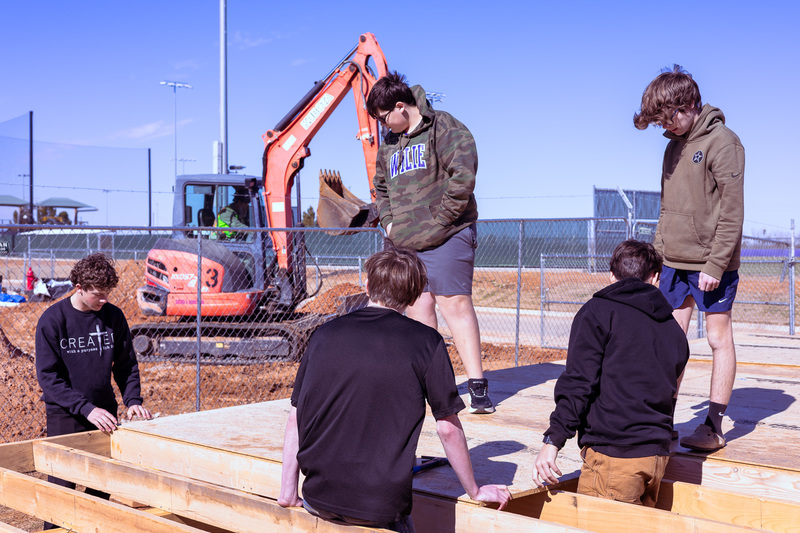
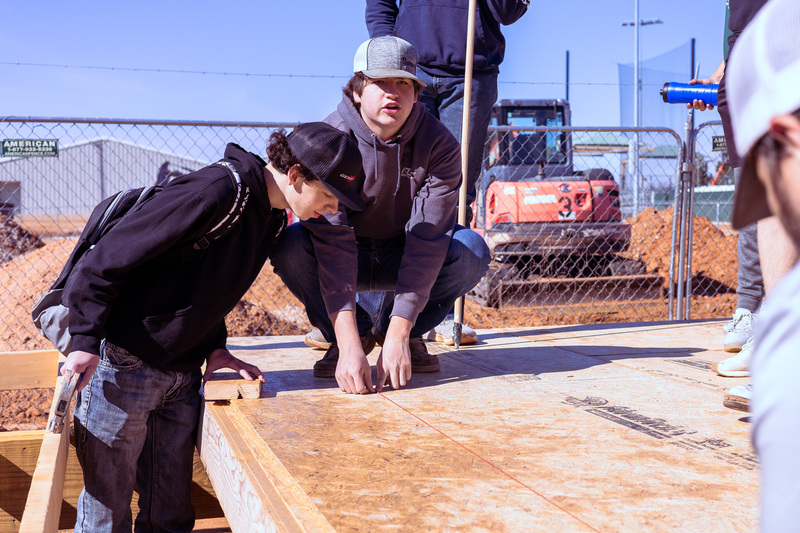
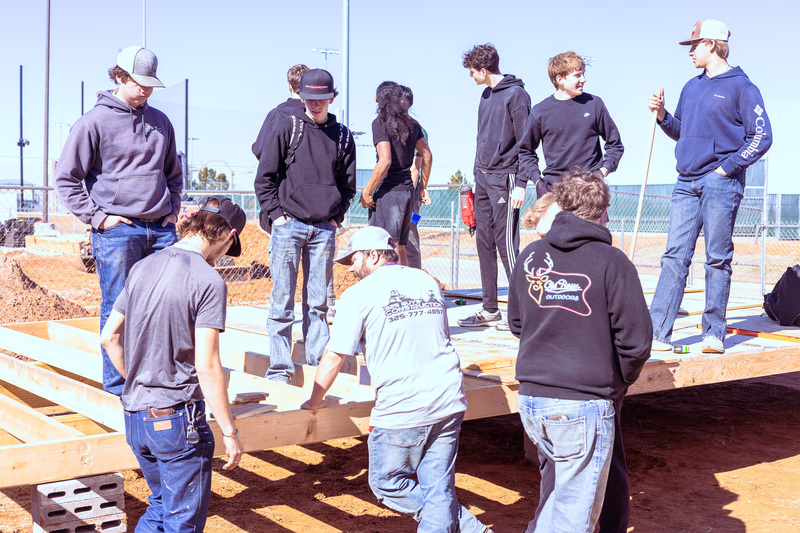
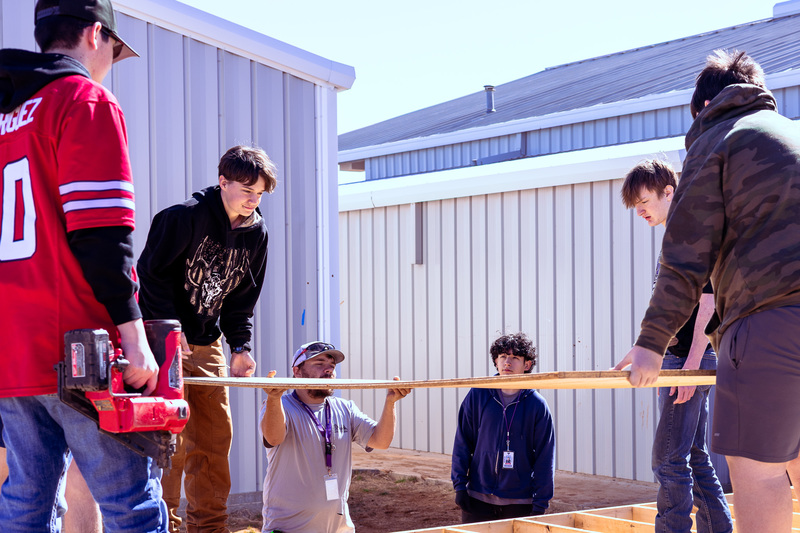
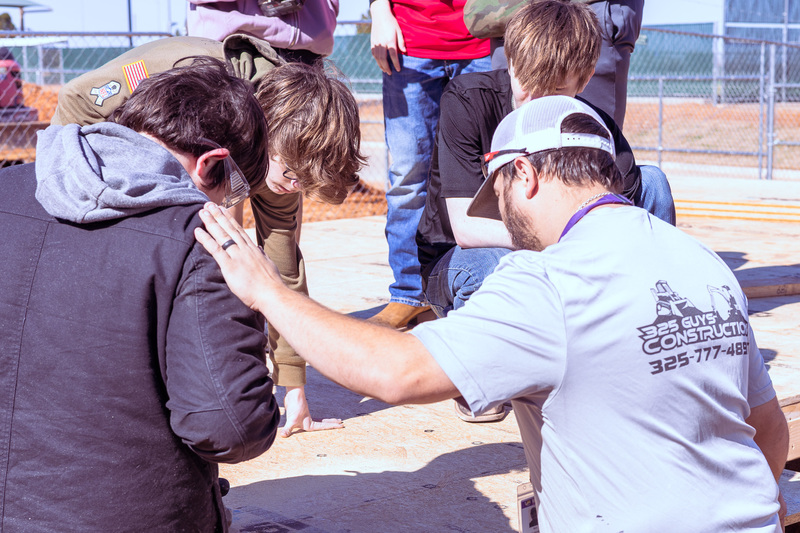
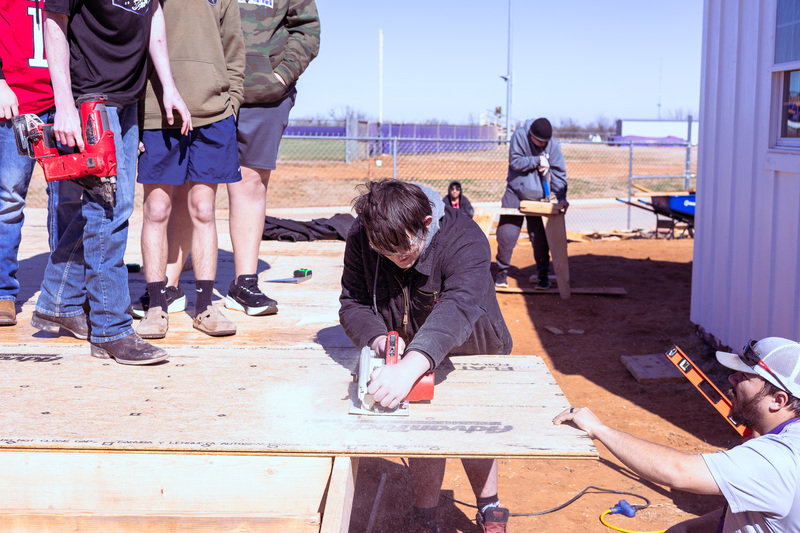
Step inside the construction site of the Wylie Independent School District Career & Technical Education program, and you’ll quickly realize this class is anything but small. The project rising inside the space is a full tiny home—framing taking shape—built entirely by students under the guidance of construction teacher Ben Hudman.
For Career and Technical Education Month, this spotlight goes beyond sawdust and schematics. It’s about confidence, craftsmanship, and a generation learning how to build something real—starting with their own futures.
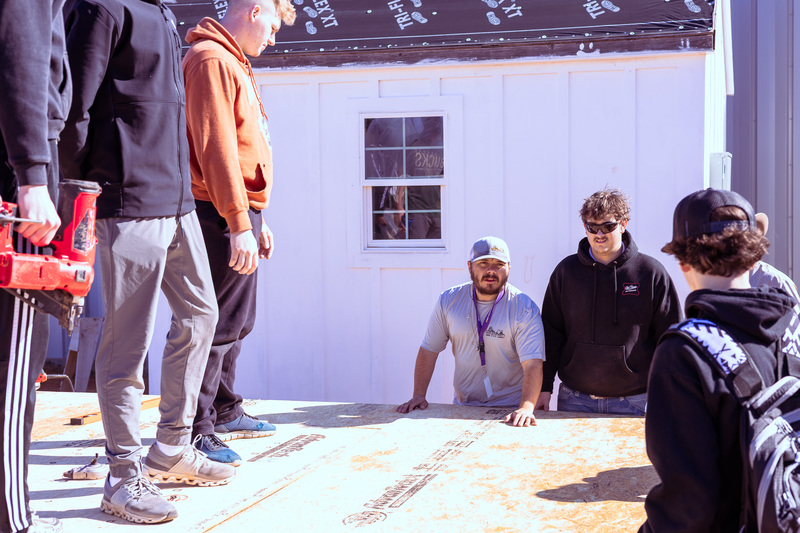
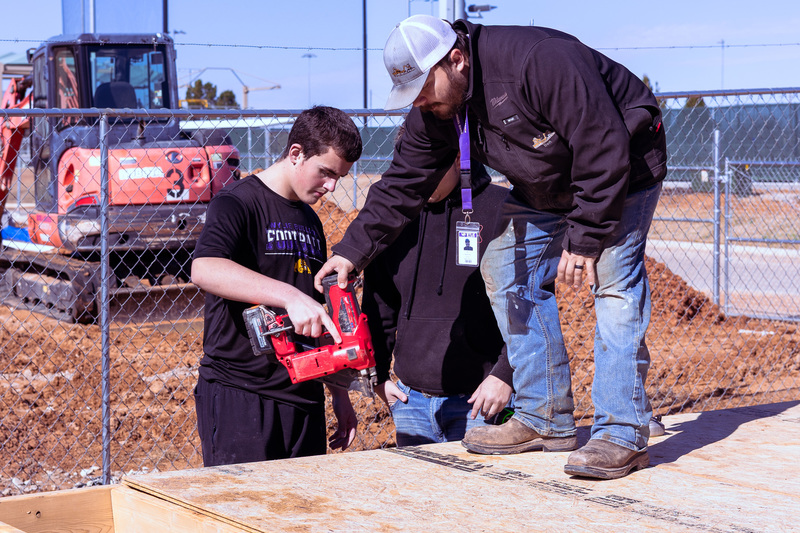
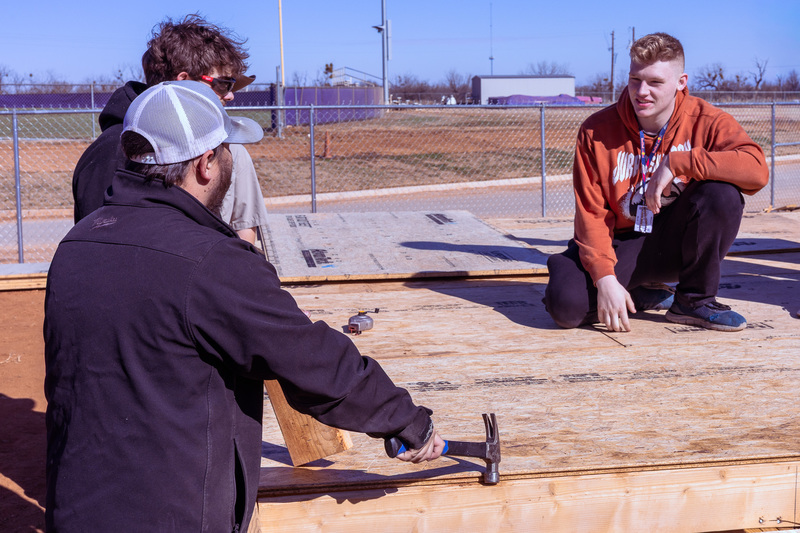
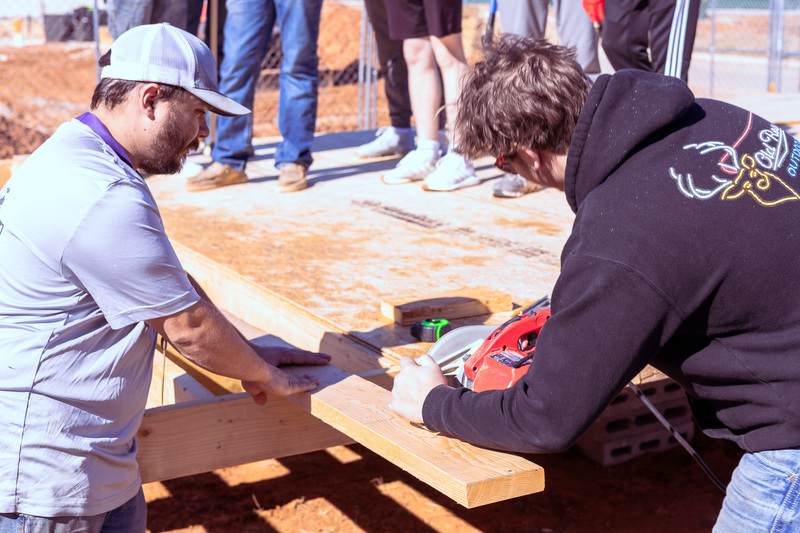
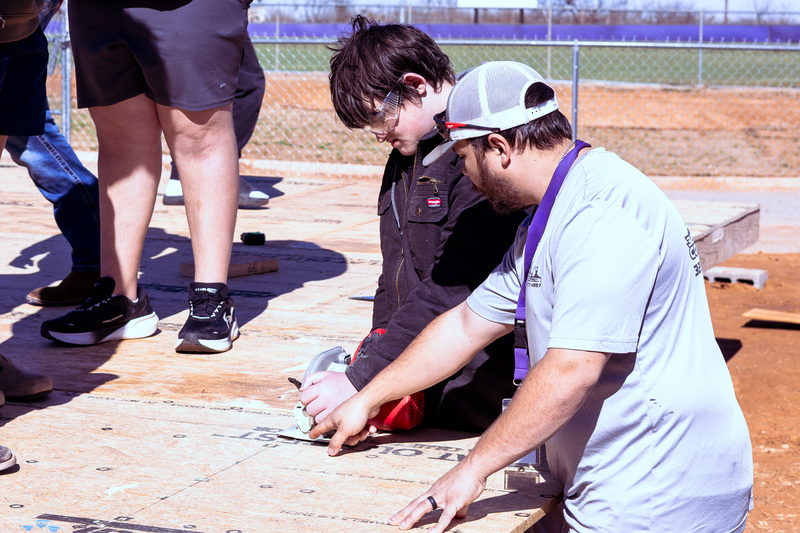
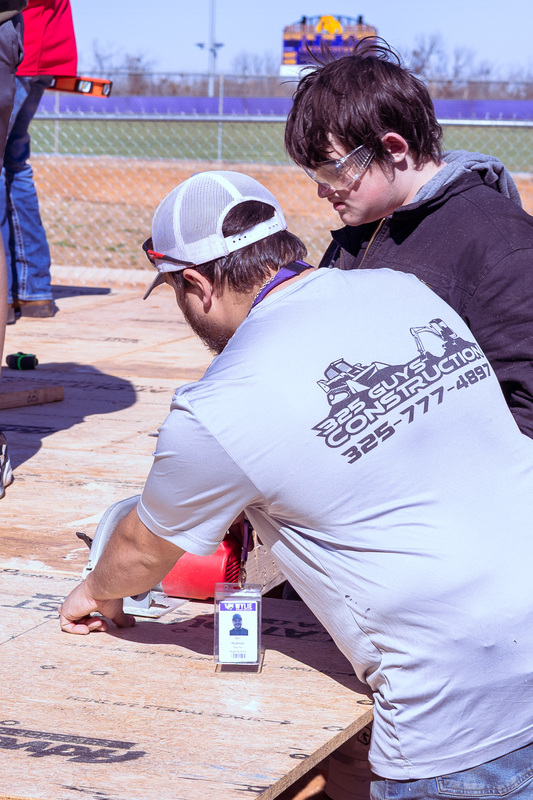
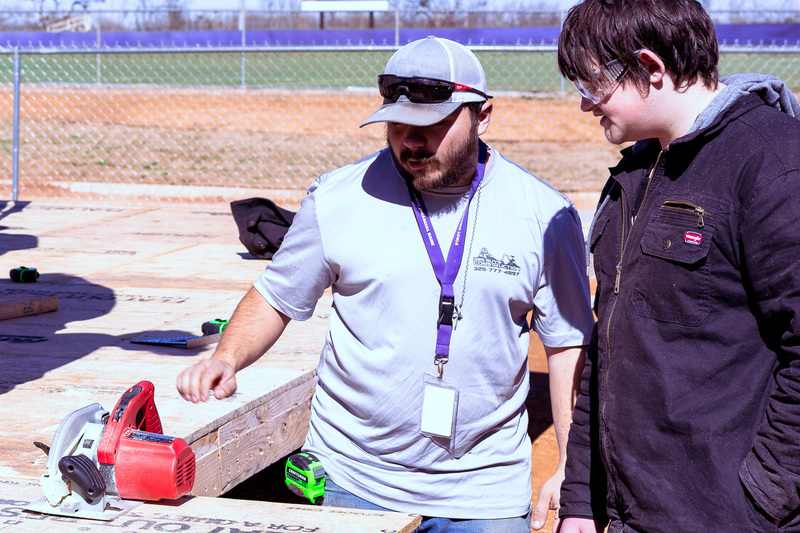
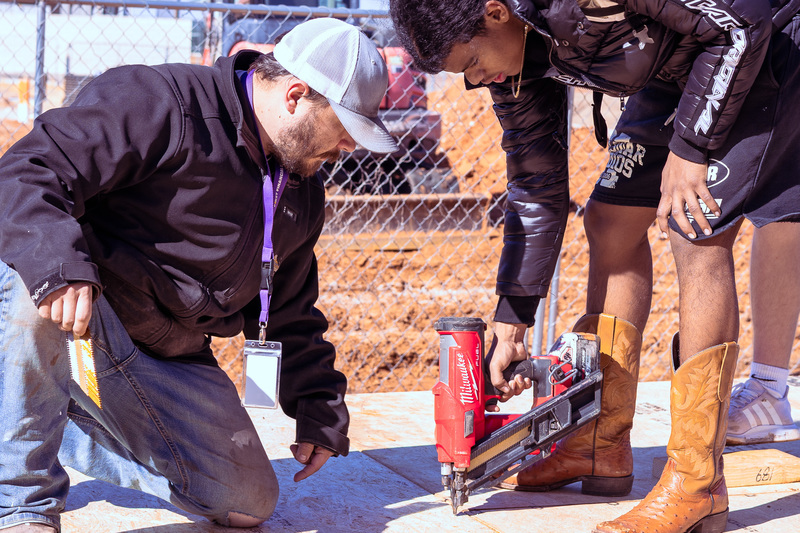 (Teacher Ben Hudman, left)
A Classroom That Looks Like a Job Site
“This is the intro class,” Hudman said, motioning toward the tiny home structure that dominates the outside area near the shop. “But intro doesn’t mean basic.”
Hudman, in his first year teaching at Wylie ISD, brings decades of real-world experience into the classroom. He grew up in construction, learning concrete and foundation work from his grandfather, who worked in the trade locally for more than 50 years. Over time, Hudman expanded into metal buildings, barndominiums, and residential homes. Today, he still runs construction crews outside of school hours.
“That real-world pace matters,” he said. “We’re not pretending here. This is construction.”
Students in Principles of Construction spend roughly two hours a day, five days a week, immersed in hands-on learning. Framing, site prep, interior finishes—nothing is theoretical for long.
“That’s why we’re building a tiny home,” Hudman explained. “If you can build this, you can build a full-size house. The bones are the same.”
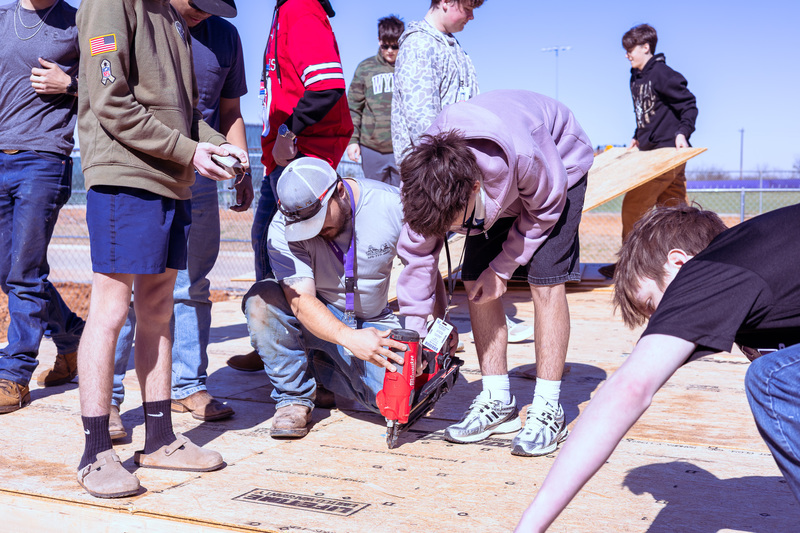
The class includes around 25 students per period totaling about 50 students, all rotating through tasks that mirror a real job site. Safety briefings start the day. Tools are checked. Measurements are double-checked. Mistakes aren’t hidden—they’re corrected.
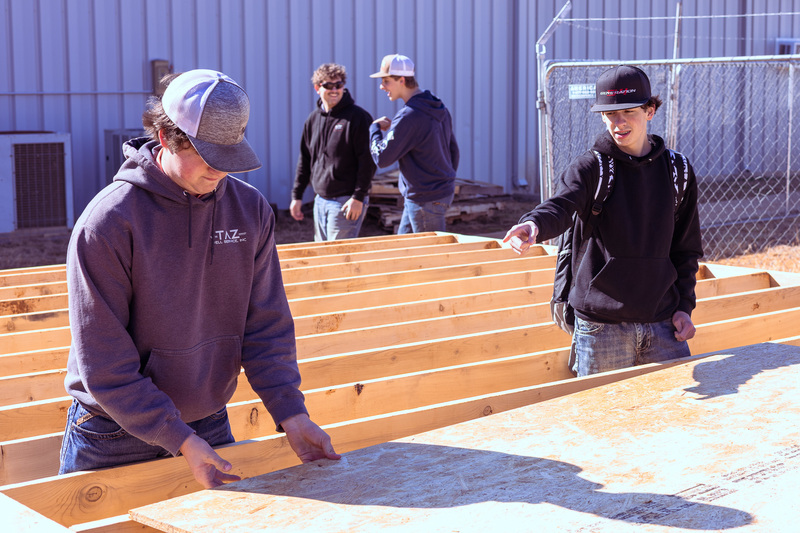
Learning by Doing—and Fixing
Freshman Caleb Houston didn’t hesitate when asked what project he’s most proud of.
“Probably the tiny home,” he said. “Seeing it come together.”
Houston joined the class looking for experience he could actually use. He’s interested in agriculture and construction and didn’t want an elective that stayed on paper.
“I thought it was going to be fun,” he said. “But I didn’t realize how much you actually learn.”
That learning often comes through trial and error. Houston says one of the biggest lessons is realizing mistakes aren’t failures.
“Even if you get things wrong, you still learn from it,” he said. “That’s probably the best part.”
Since starting the class, Houston says his confidence has grown dramatically.
“I feel like I can do about anything now,” he said. “Stuff like this seems easy once you understand it.”
That mindset—problem-solving, persistence, and self-reliance—is exactly what Hudman hopes students take away.
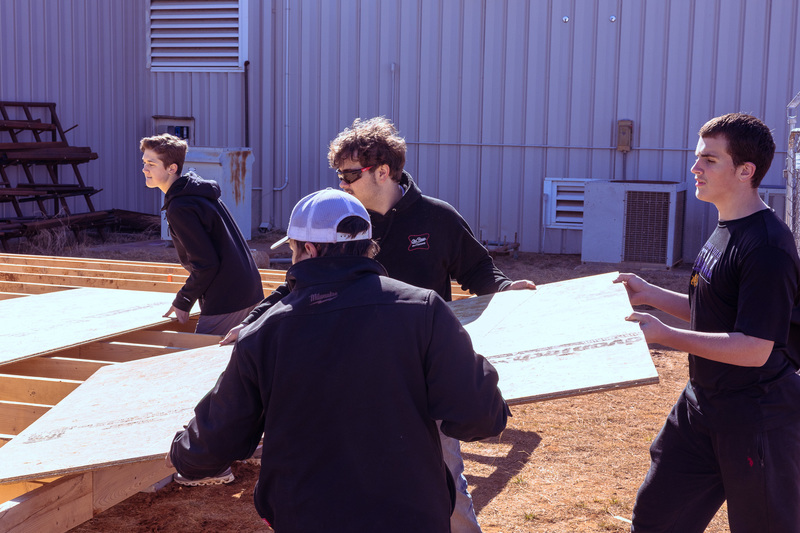
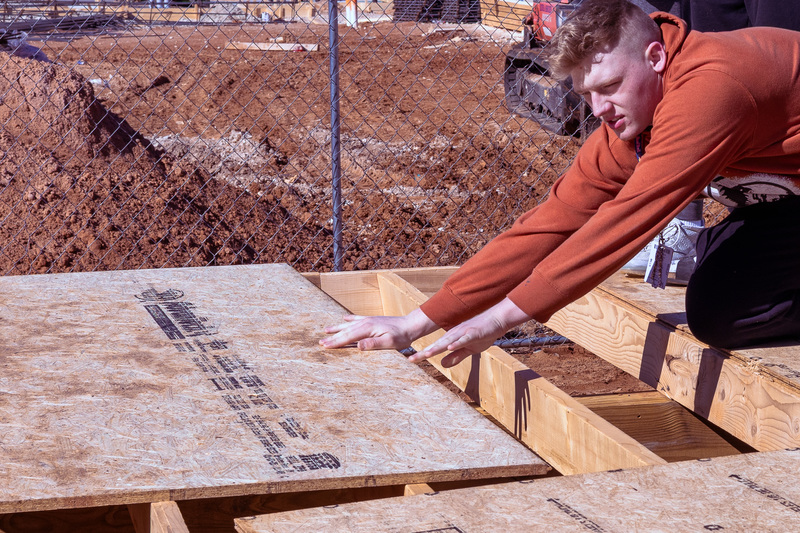
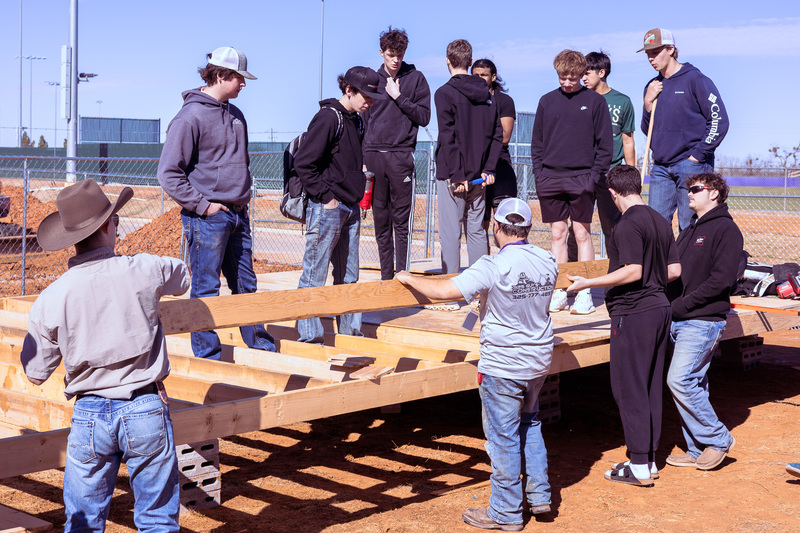
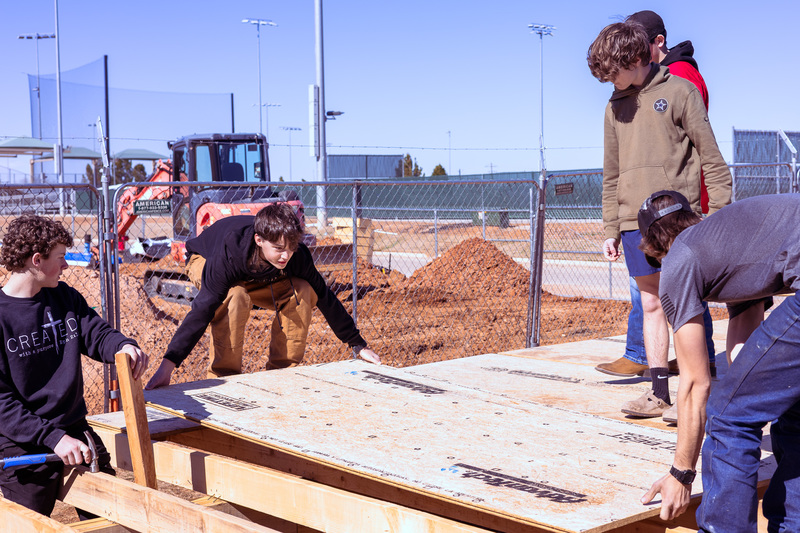
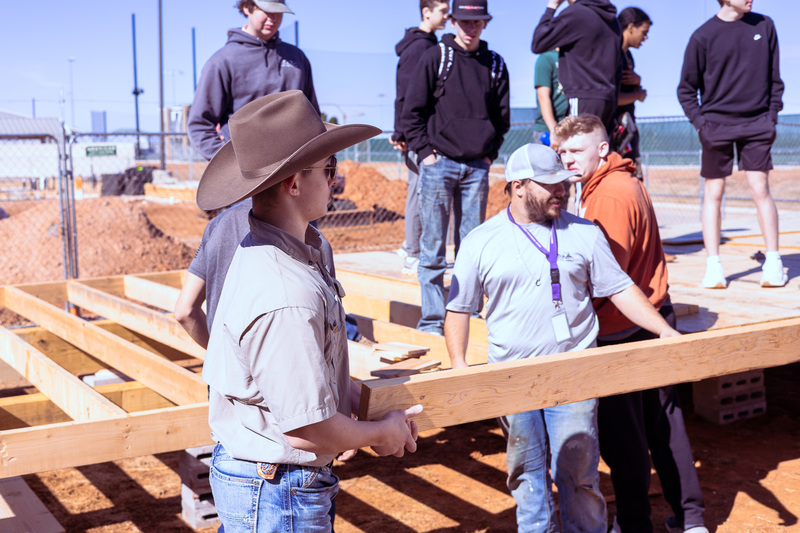 (Caleb Houston lifts beam into place)
From Wiring to Workforce Skills
While the tiny home grabs attention, it’s really a vehicle for teaching a wide range of construction skills. Students learn framing, electrical wiring, basic plumbing, interior finishing, and jobsite organization.
Junior Caleb Gosdin said the class delivered exactly what he expected—and then some.
“We’re learning electrical work. We’re learning plumbing,” Gosdin said. “It covers all the basics.”
For Gosdin, the satisfaction comes from finishing a task and knowing it was done right.
“Just nailing it down,” he said. “Knowing you got everything done.”
He also appreciates seeing how his work fits into something larger.
“When this thing’s finished, we can show it off,” he said. “People will actually use what we built.”
That sense of purpose is intentional. Construction isn’t taught as a backup plan—it’s taught as a viable, in-demand career path.
“If you want a stable job and like working with your hands, this is it,” Gosdin said. “Construction covers so many trades. Plumbing. Electrical. Everything starts here.”
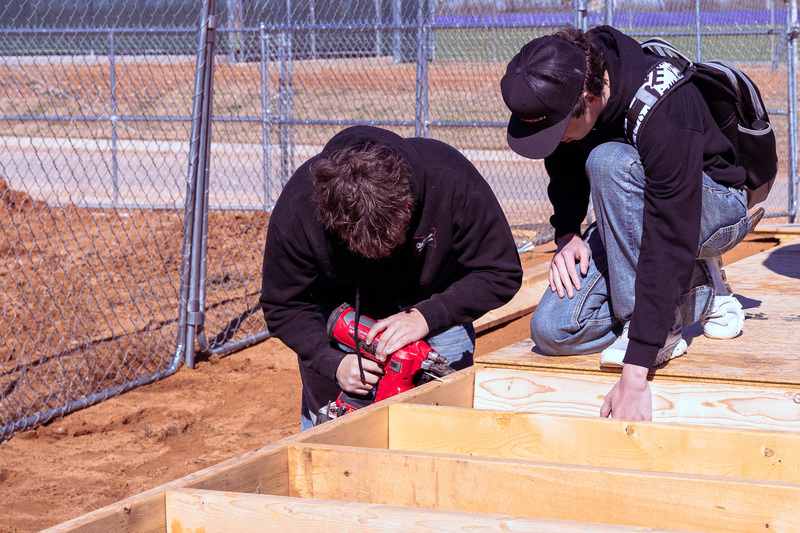
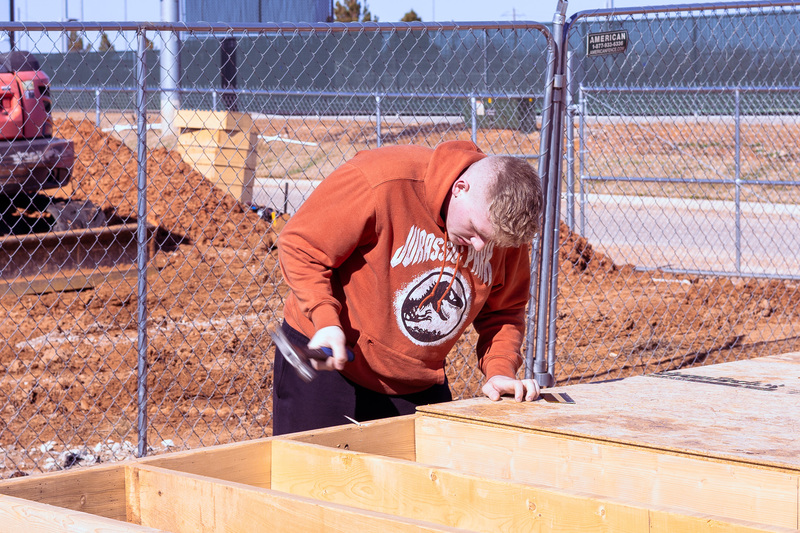
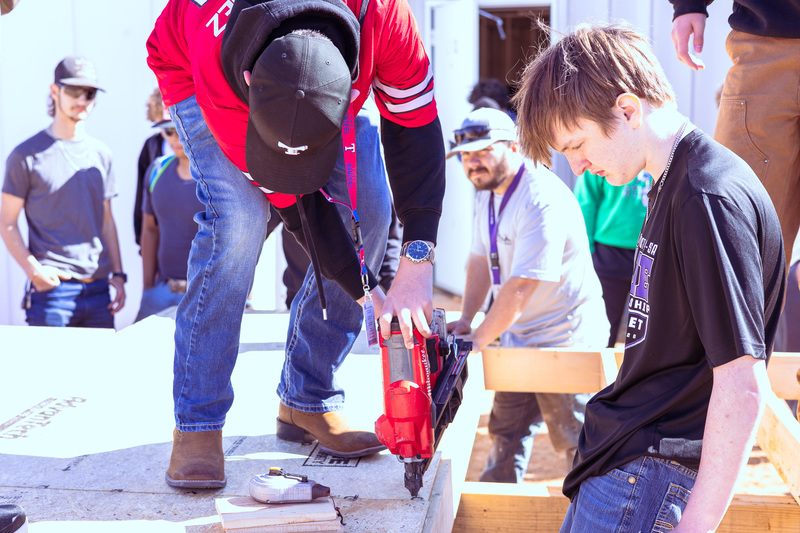
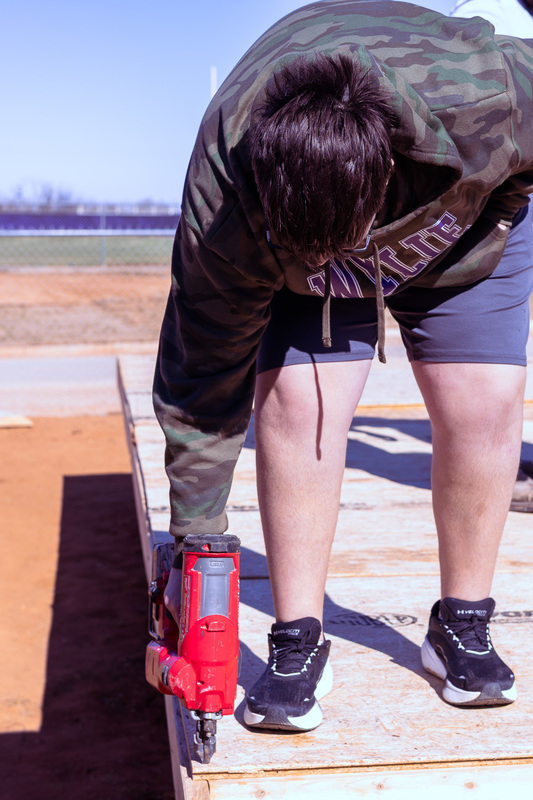
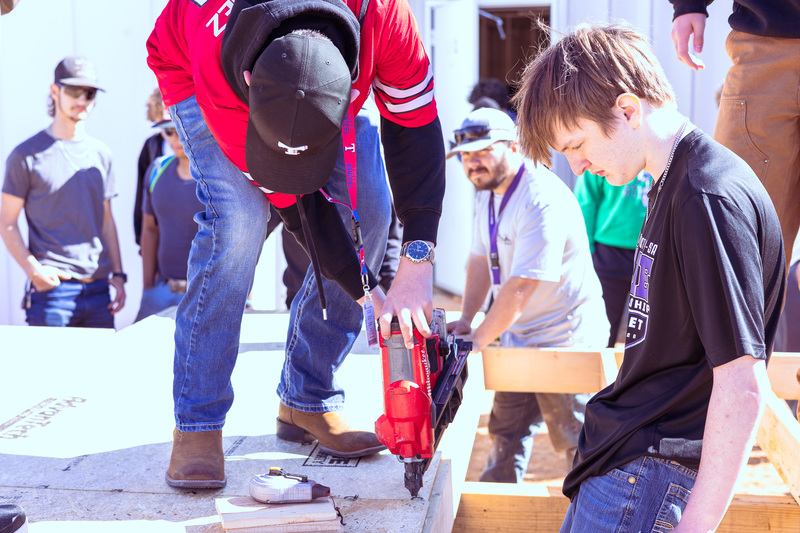 (Caleb Godsin on the nail gun)
A Pathway, Not a Dead End
Wylie ISD’s construction program aligns with the Architecture and Construction career cluster, giving students a clear pathway from high school into the workforce or postsecondary training.
Students can progress from Principles of Construction into specialized areas like electrical technology, practicum courses, and work-based learning opportunities. The skills learned here connect directly to apprenticeships, certifications, and industry credentials that are in high demand across Texas.
Hudman sees that demand only increasing.
“These jobs aren’t going away,” he said. “With housing shortages and growth, we’re going to need skilled trades more than ever. And AI isn’t replacing this work.”
That future-focused outlook resonates with students.
“I don’t want to pay someone to do work I can do myself,” Houston said. “If I can learn it, I want to learn it.”
Community Support That Makes It Possible
Building a tiny home inside a high school doesn’t happen without support. Hudman credits community partners and sponsors for helping bring the project to life.
Many of the tools used in the class were already on campus, passed down from previous instructors. Additional materials are purchased through local suppliers who support the program. But the tiny home itself required a larger investment.
FM 707 Self Storage, along with community partner Sara Graham, stepped in to fully sponsor the project, donating funds to cover materials and costs.
“That sponsorship made this possible,” Hudman said. “This project was bigger than what our normal budget could handle.”
The support goes beyond funding. It sends a message to students that their work matters—and that the community is invested in their success.
More Than a Class
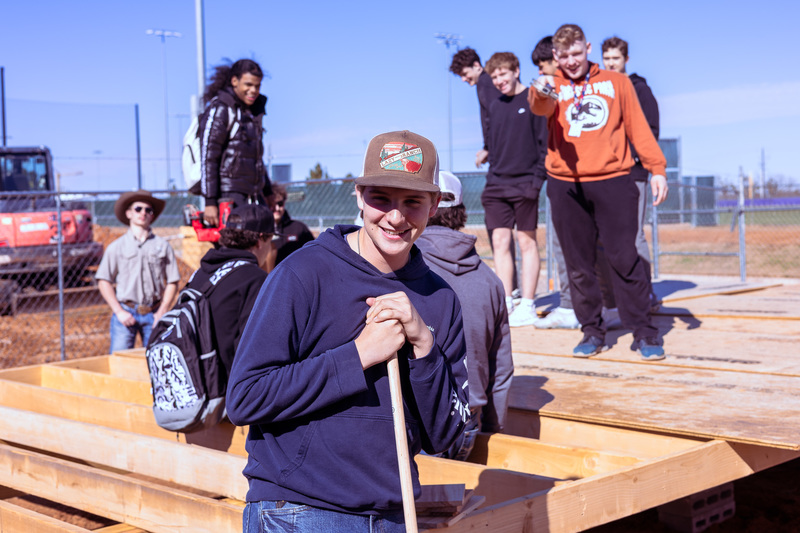
Walk through the construction area, and you’ll see more than lumber and tools. You’ll see leadership forming as students guide one another. You’ll hear collaboration as teams problem-solve together. You’ll notice pride when a wall goes up straight or a circuit works the first time.
For many students, this class is the highlight of their day.
“It’s up there with football,” Houston said with a grin.
That balance—physical work, mental challenge, and teamwork—is what makes the program special.
“This class teaches responsibility,” Hudman said. “If you don’t pay attention, it shows. But if you do, it’s incredibly rewarding.”
Building Futures, One Stud at a Time
As the tiny home moves closer to completion, expected later this spring, it stands as a symbol of what Career and Technical Education looks like at Wylie ISD. It’s hands-on. It’s relevant. And it’s rooted in real opportunity.
Students leave the class not just knowing how to build, but believing they can.
They learn how to measure twice, cut once—and think ahead.
And in the process, they’re building more than a structure. They’re building confidence, skills, and a foundation that will last long after graduation.
Because at Wylie ISD, Career & Technical Education isn’t about choosing a smaller path.
It’s about building something solid—and realizing just how big your future can be.
It’s great to be a Wylie Bulldog.