Communities In Schools and campus counseling create space for meaningful conversations during lunch
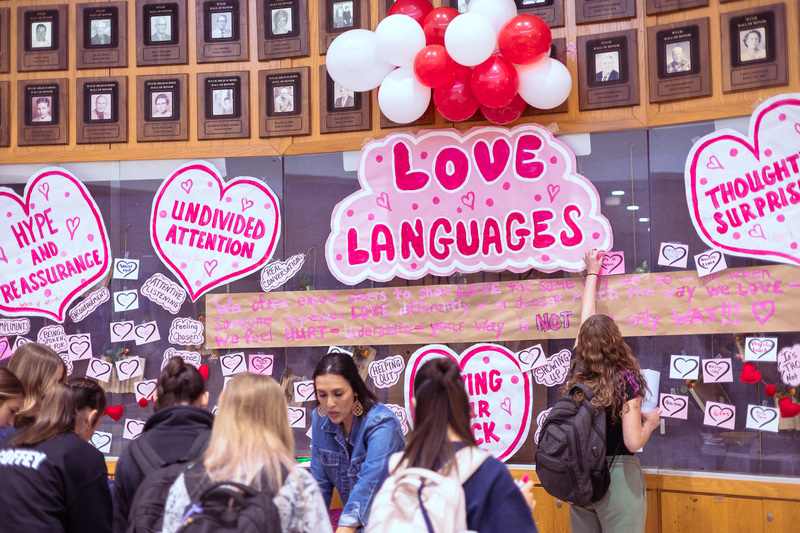
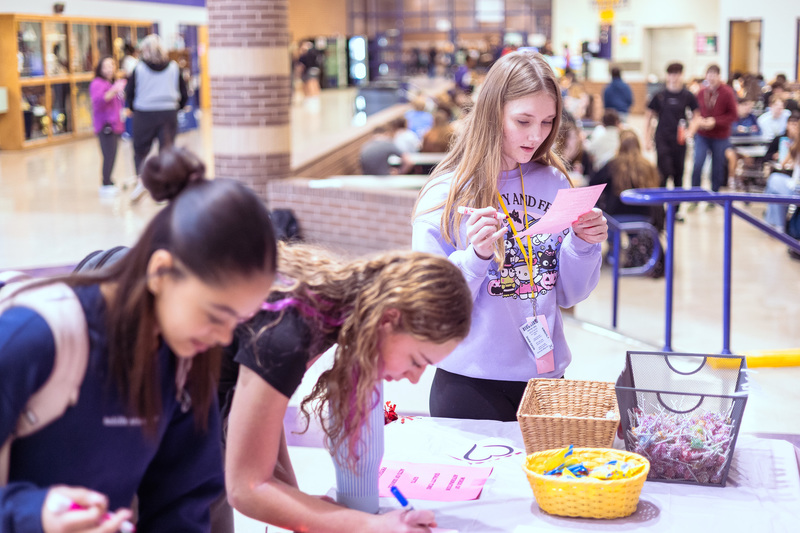
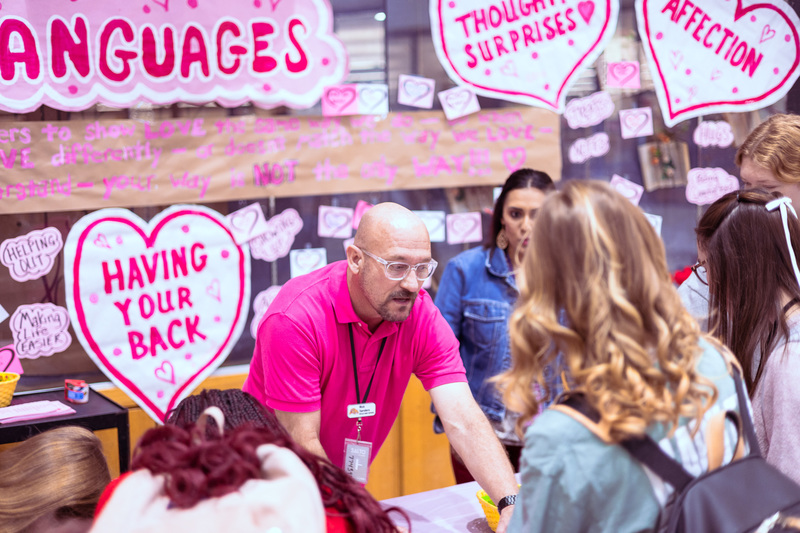
By the time lunch begins at Wylie, the hallways are buzzing. Backpacks drop, friends gather, and for a few minutes the school day softens. During Valentine’s week, one table in the middle of that movement invited students to slow down and reflect.
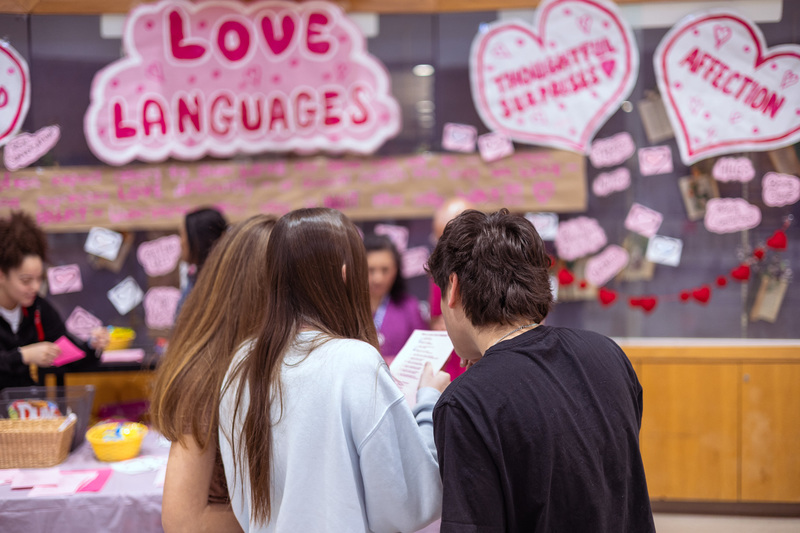
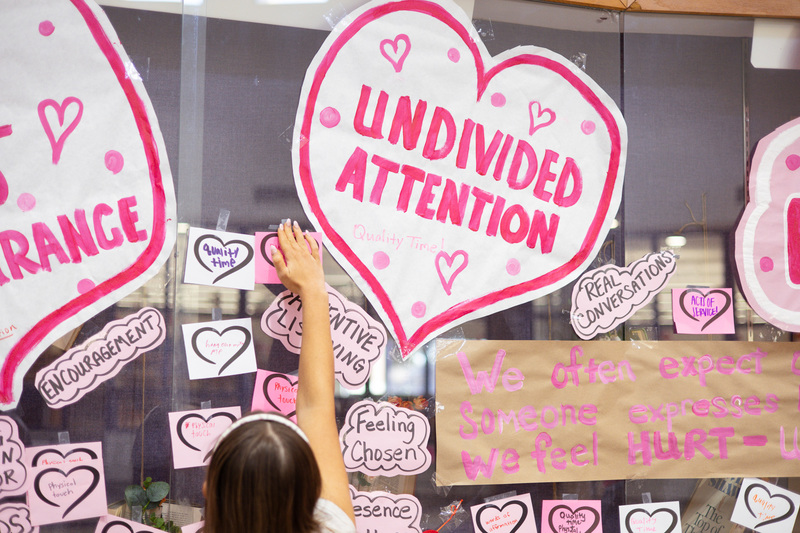
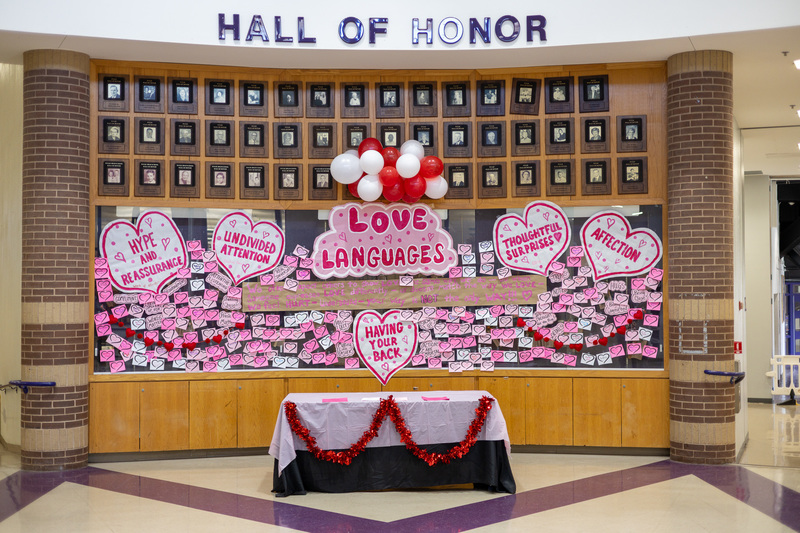
A simple sign read, “What is your Love Language?”
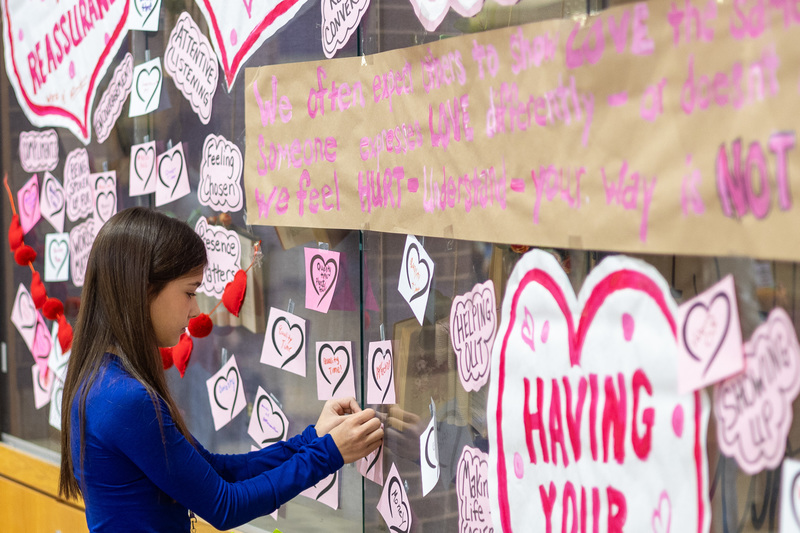
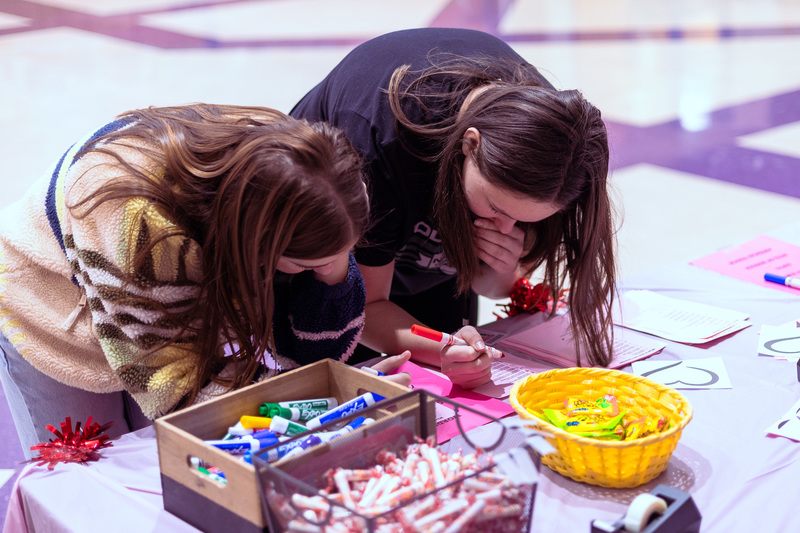
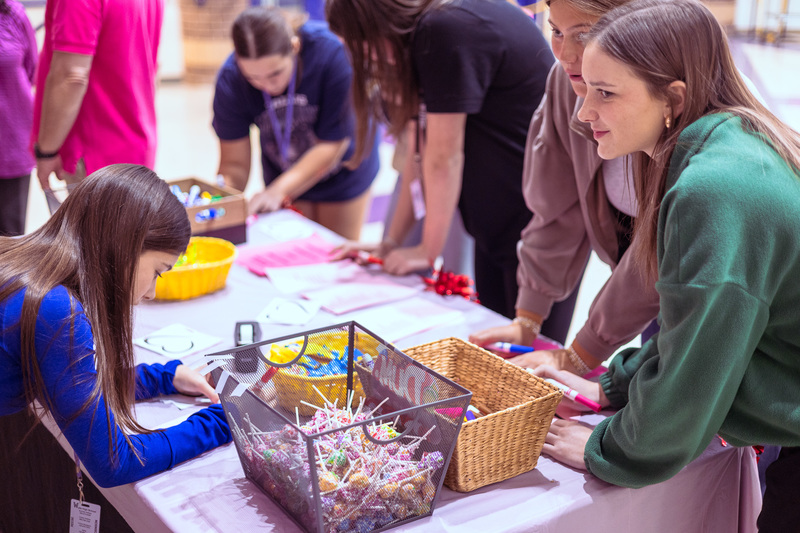
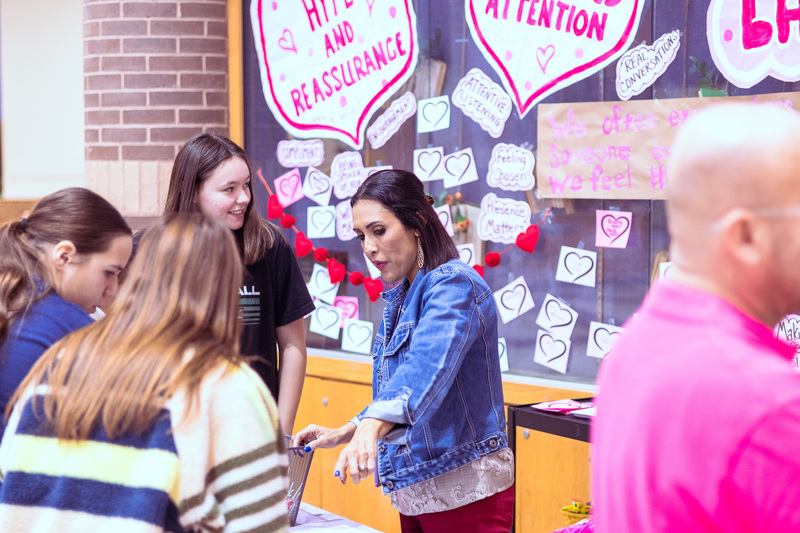
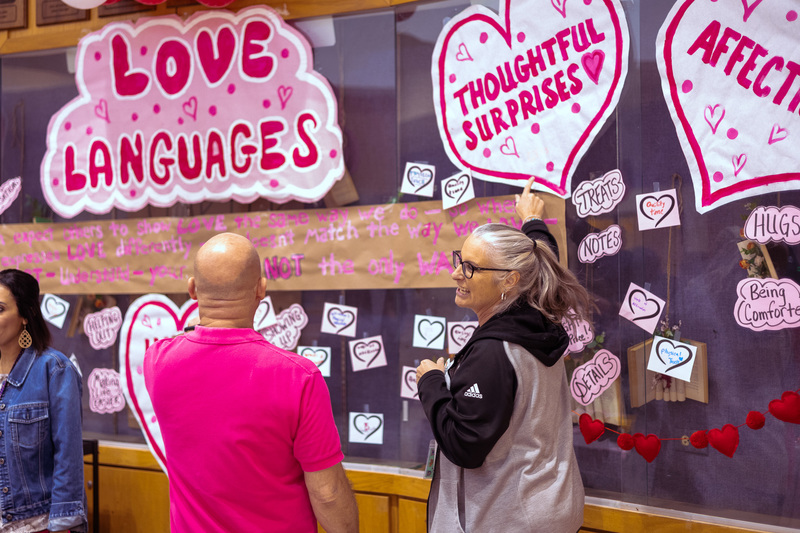
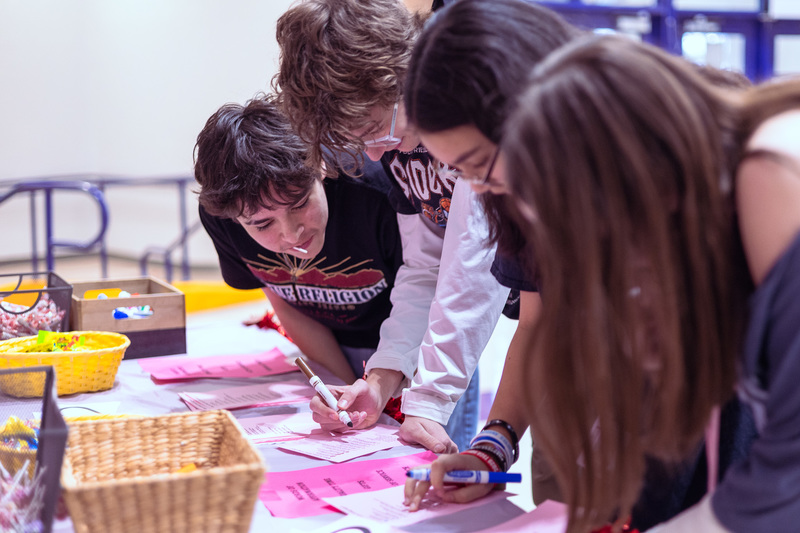
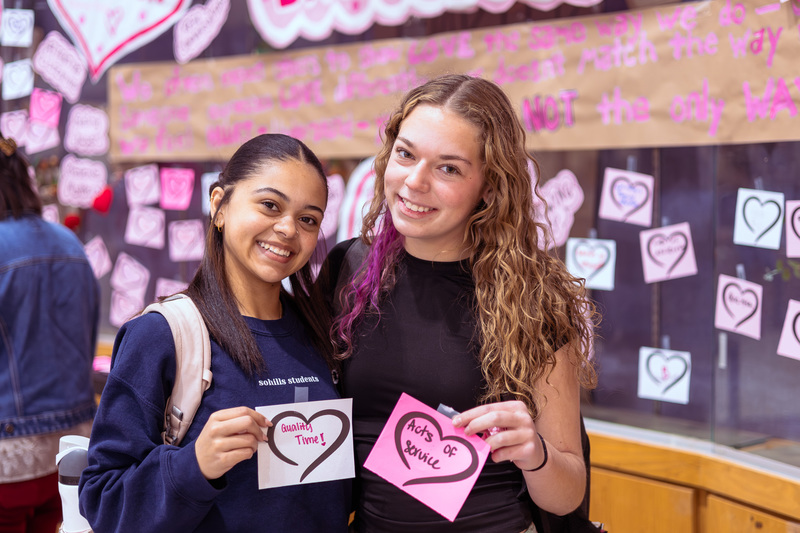
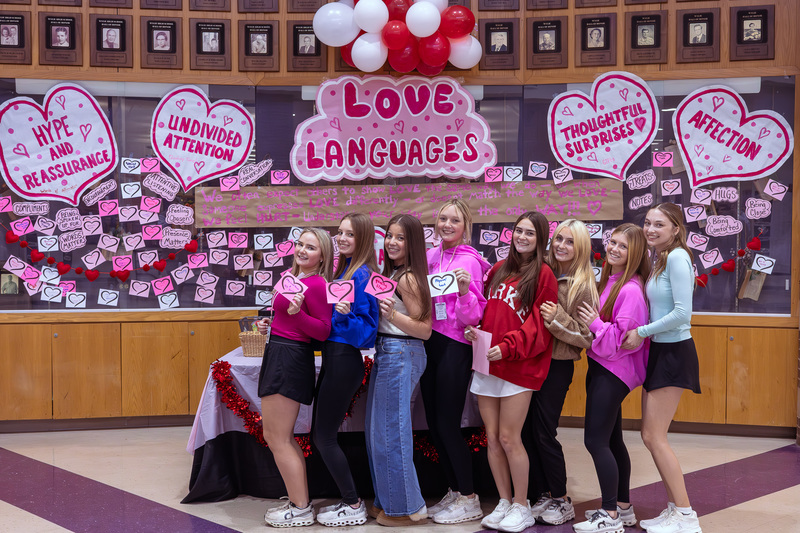
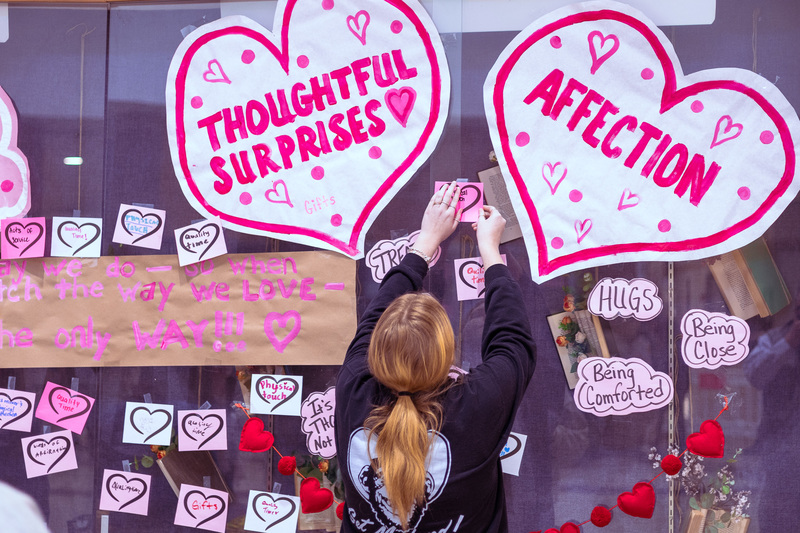
Hosted by Communities In Schools (CIS) coordinator Nikki Valdez and Licensed Professional Counselor Rick Sanders, the pop-up lunch event encouraged students to take a short assessment to discover how they most feel valued. Compliments. Quality time. Acts of service. Small gifts. Physical affection. Students circled their answers, tallied their letters, and shared their results.
(Nikki Valdez, Community In Schools)
At first glance, it looked festive and fun. But the heart behind it was much deeper.
“We try to do something every month that connects to mental health,” Nikki explained. “We want students to still be getting information and support, and we want to keep up with what kids are needing.”
Valentine’s Day can be joyful, but it can also quietly spotlight loneliness or pressure. Rick noted that there is often strong cultural emphasis on being in a relationship, even though the majority of high school students are not. “There’s so much emphasis on relationships,” he said. “But a lot of students aren’t equipped to handle that yet.”
Rather than focusing on dating itself, the activity shifted the conversation toward awareness. How do you feel cared for? How do you show care to others? What do healthy expectations look like?
(Rick Sanders, LPC)
Rick shared that most people tend to give love the way they prefer to receive it. The challenge comes when those styles do not align. “It’s okay to expect your needs to be met,” he said. “But you have to understand how they’re going to be met. It may not look exactly like how you give.”
For teenagers navigating friendships, family dynamics, and early relationships, that understanding can prevent confusion and conflict before it begins. Many adults do not learn these lessons until much later in life.
One of the most encouraging parts of the event was the students’ willingness to participate. “They’re really talkative with us,” Nikki said. “They’re willing to take the quiz.” What started as a quick lunch activity often turned into meaningful conversations.
The event also reflects the layered mental health support system at Wylie. From teachers and coaches to cafeteria workers, CIS staff, and counseling services, students are supported through a multi-tiered network of adults who notice and care. Nikki and Rick work hand in hand, ensuring that if a student needs more than a conversation at lunch, there is a pathway to deeper support.
Nikki hopes the message to families is clear. There is no judgment in seeking help. School support exists to partner with parents, not replace them. “I want them to advocate for themselves,” she said. “To ask for help if they need it.”
When the decorations come down and February fades into spring, the goal is not for students to simply remember their love language. The goal is confidence. Confidence to recognize healthy and unhealthy patterns. Confidence to communicate needs. Confidence to understand that not being in a relationship does not diminish their worth.
Sometimes mental health education does not begin with a formal lesson. Sometimes it begins with a clipboard, a few thoughtful questions, and a safe place to talk.
At Wylie, that kind of care is intentional. And it is one more reminder why it’s great to be a Wylie Bulldog.