What Comes After Wylie?
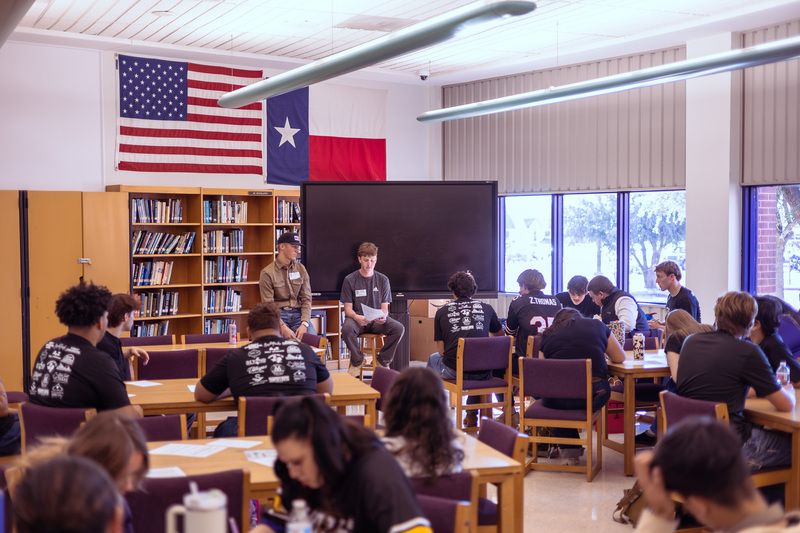
Wylie ISD graduates Paxton Whitlock and Brady Gay returned to the Wylie High School library to share how they got started in the trades and what they’re still figuring out about life after graduation.
When football season ended his senior year, Paxton Whitlock had some room in his schedule. He used it to go to work.
He’d already taken two years of electrical classes at Wylie High School. Now he had a chance to see what the work was like outside the classroom. He took an afternoon job with an electrical company, working from one to six while he finished high school. The week after graduation, he went full time. By 19, he was leading a crew.
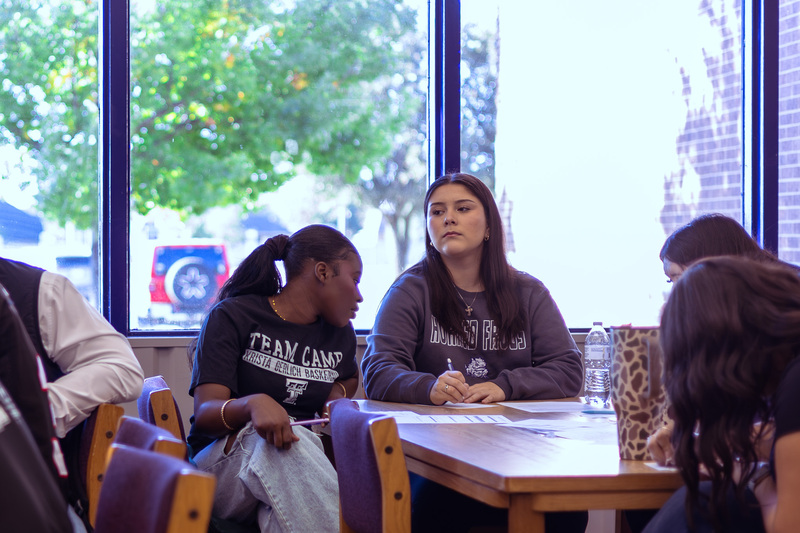
Back at Wylie High School, Paxton sat down with students in the library alongside fellow graduate Brady Gay, a plumber who was working while attending trade school. Over visits with several classes, they shared how they chose their paths and answered questions about what came next. The conversation moved from scholarships and job training to a question that can catch up with any graduate, whatever their plans. How much does it cost to live on your own?
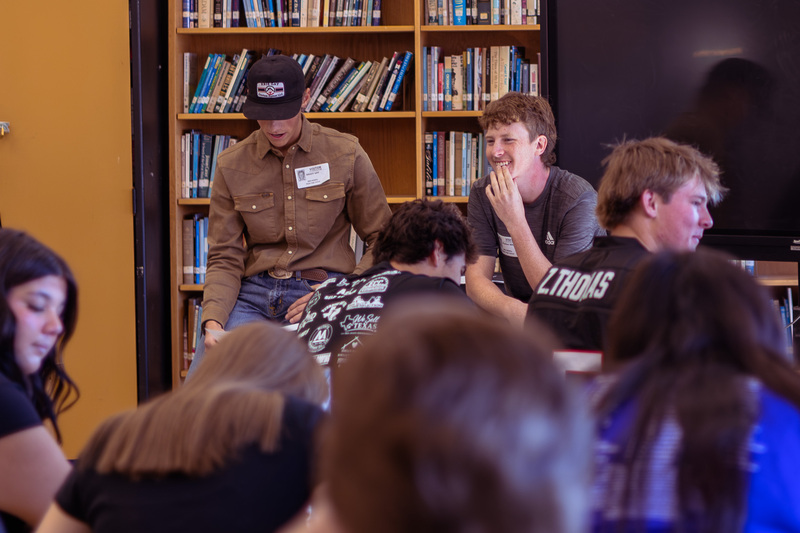
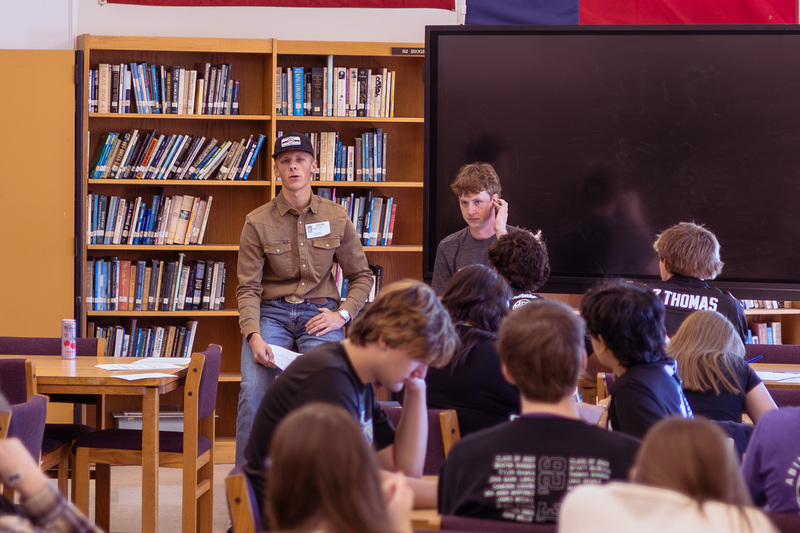 Brady Gay Speaks with Students
Two ways into the trades
For a while, Paxton pictured himself running track in college. But he would have had to pay his own way, and he was hesitant to take on that expense while he was still deciding what he wanted to do. His electrical classes gave him a chance to try something he liked before he had to make that decision.
“I love going to work every day, genuinely,” Paxton said.
He also described what getting home from work feels like after a 50- or 60-hour week. Friends at college send videos of themselves hanging out, and sometimes he wishes he had more of that time with people his age. Most of the people he works with are old enough to be his dad. They’re also the ones who have taught him the most on the job and looked out for him as he’s learned.
Brady had imagined playing baseball beyond high school. As his plans changed, he considered going to a four-year college because so many people around him were doing it. He settled on plumbing and applied for scholarships. The aid he received, he told students, covered his trade school costs. At the time of the visit, he was working as a plumber, taking classes in a plumbing program and completing coursework toward an associate degree.
One of his early lessons on the job had little to do with pipes. On busy days, there was hardly time for lunch. He remembered coming home aching after working without enough to eat. He learned to pack more food. Someday, he’d like to own a plumbing company. When the conversation turned to where he’d start it, his answer was quick.
“I plan to start here,” Brady said.
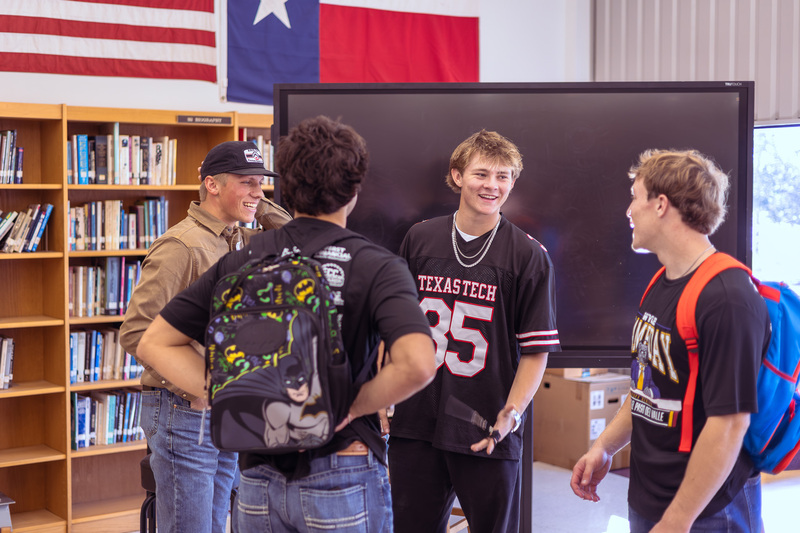
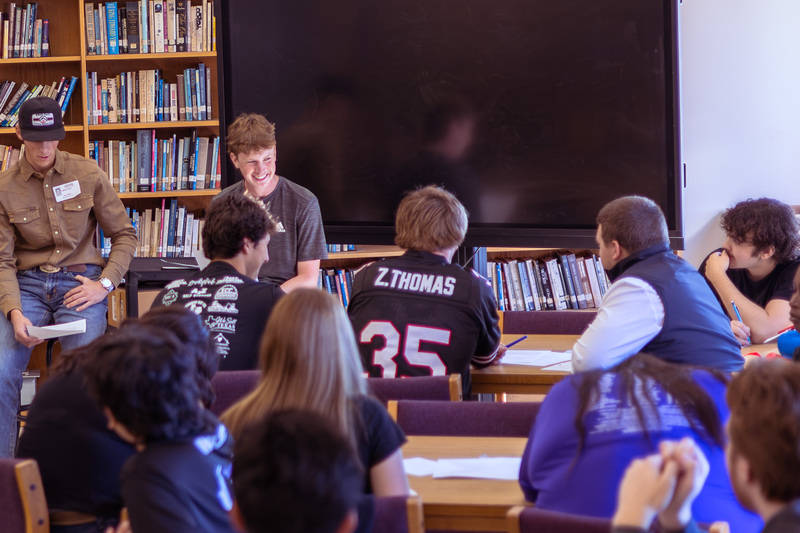 Paxton Whitlock (Top Middle)
The questions after graduation
The discussion turned to what a gap year might look like. Brady said a year of working could give a graduate time to see what they enjoy and decide whether they want to spend money on school. That led to a practical follow-up. If someone takes a year to work and wants to move out, how much of that paycheck will go toward rent?
Both graduates said they still lived at home with their moms. Paxton got right to one of the advantages.
“Free rent, baby,” he said.
Brady had considered renting an apartment with a friend. Once he started looking at prices, he saw what moving out would ask of his paycheck. For Paxton, staying home while working full time gave him room to save. He told students he was looking at buying land where he could eventually build a home.
Paxton encouraged students to talk with people who already do the work they’re considering. Ask how they got started. Ask what the hours are like and what surprised them. A conversation can give a student a clearer picture of what to try while there’s still room in the school day to try it.
For Paxton, that chance came in an electrical class at Wylie. He’d once been the student figuring out what he might like to do. This time, he was the one students could ask.
What Would It Cost to Move Out?

When the conversation in the Wylie High School library turned to moving out after graduation, Brady Gay had an example close by. He’d considered sharing an apartment with a friend and said one nearby two-bedroom was asking $1,600 a month.
Split evenly, that’s $800 per person each month for rent alone. Utilities, groceries and transportation would come out of the same paycheck. A security deposit and other move-in costs could add to what a graduate needs up front. The asking rent was one example Brady shared during the visit.
Both Brady and Paxton Whitlock said they still lived at home with their moms while working in the trades. For Paxton, that meant he could put more of his paycheck toward savings. For students thinking about moving out or taking a gap year, the conversation offered a concrete question to work through before graduation. After rent and everyday expenses, how much of a paycheck would be left?